Middle East Tensions Push Oil Prices Near $110: What It Means for India
By Islam Global News Desk | October 20, 2026
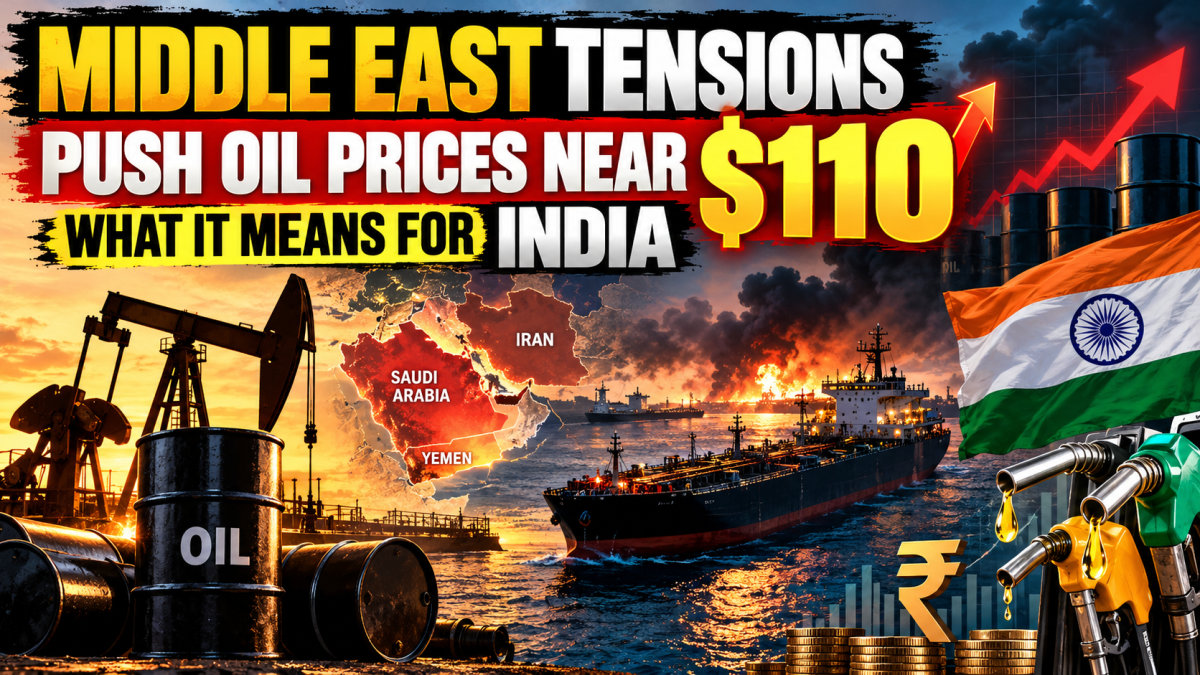
International crude oil prices climbed close to $110 per barrel on Tuesday as escalating Middle East tensions and concerns over maritime security raised fears of potential disruptions to global energy supplies.
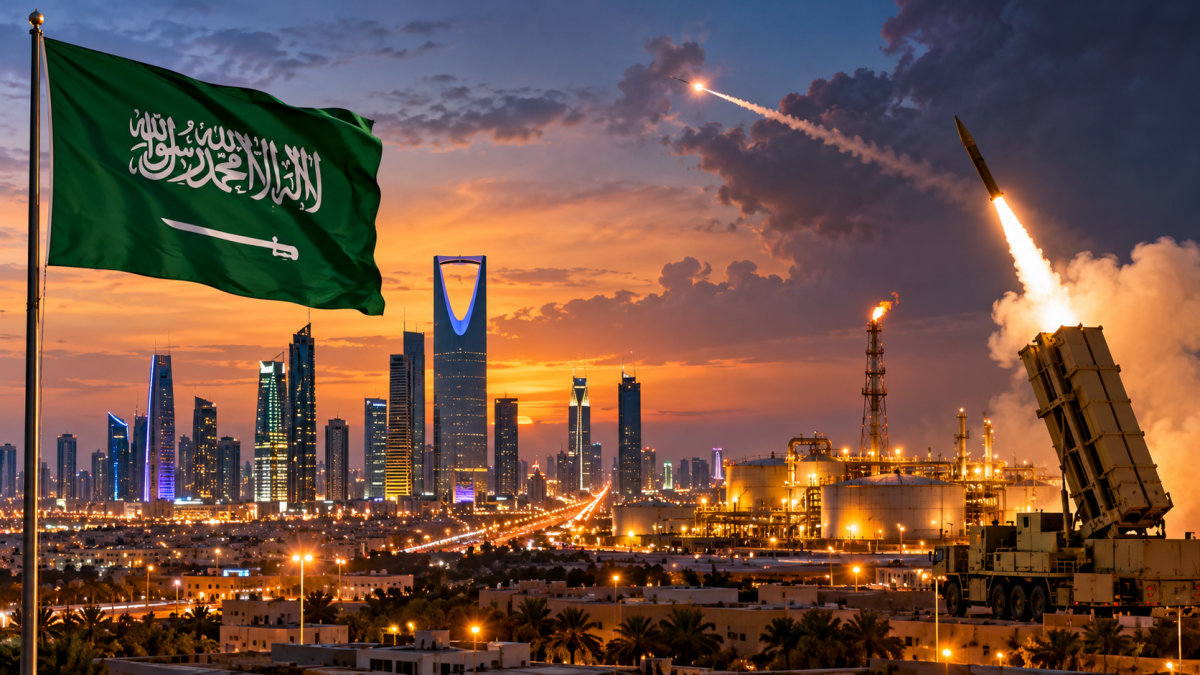
According to Reuters, Brent crude futures reached approximately $110.07 per barrel during Tuesday's trading, approaching their highest level since May 2026. Market participants remain concerned about reported attacks on vessels and claims of attacks targeting Saudi energy infrastructure. Saudi authorities had not immediately confirmed the latest Houthi claims, and Reuters could not independently verify them.
Why Are Oil Prices Rising?
The latest price increase reflects concerns about the security of major oil-producing regions and shipping routes. Reports of attacks involving vessels in the Gulf and the possibility of further damage to energy infrastructure have increased uncertainty in global markets.
Traders are also assessing whether additional supplies from Russia and other producers could offset potential disruptions. However, the outlook remains uncertain as geopolitical developments continue to influence prices.
What Does This Mean for India?
India imports a substantial share of its crude oil requirements, making the country vulnerable to prolonged increases in international oil prices.
If crude remains expensive, the effects could include:
- Higher import costs: India may need to spend more foreign currency to purchase crude oil.
- Inflation risks: Increased energy costs can raise transportation, manufacturing and logistics expenses.
- Pressure on the rupee: A larger oil import bill can increase demand for US dollars.
- Fuel-price uncertainty: Domestic petrol and diesel prices depend on international crude costs, taxes, exchange rates and pricing decisions by oil companies.
Higher international crude prices do not automatically mean an immediate increase in petrol and diesel prices across India. The actual impact depends on domestic market conditions and government or oil-company decisions.
What Happens Next?
Global markets will closely monitor developments around the Strait of Hormuz, the security of regional shipping routes and the status of energy infrastructure.
If supply disruptions intensify, oil prices could face further upward pressure. Conversely, improved maritime security and uninterrupted exports could ease some of the geopolitical risk premium currently reflected in prices.
For India, the duration of the price increase will be particularly important because sustained high crude prices could affect inflation, trade costs and economic growth.
Islam Global News Analysis: The central question is whether rising geopolitical risks will translate into sustained disruptions to oil supplies. Until the situation becomes clearer, energy prices and India's import costs are likely to remain important indicators to watch.