
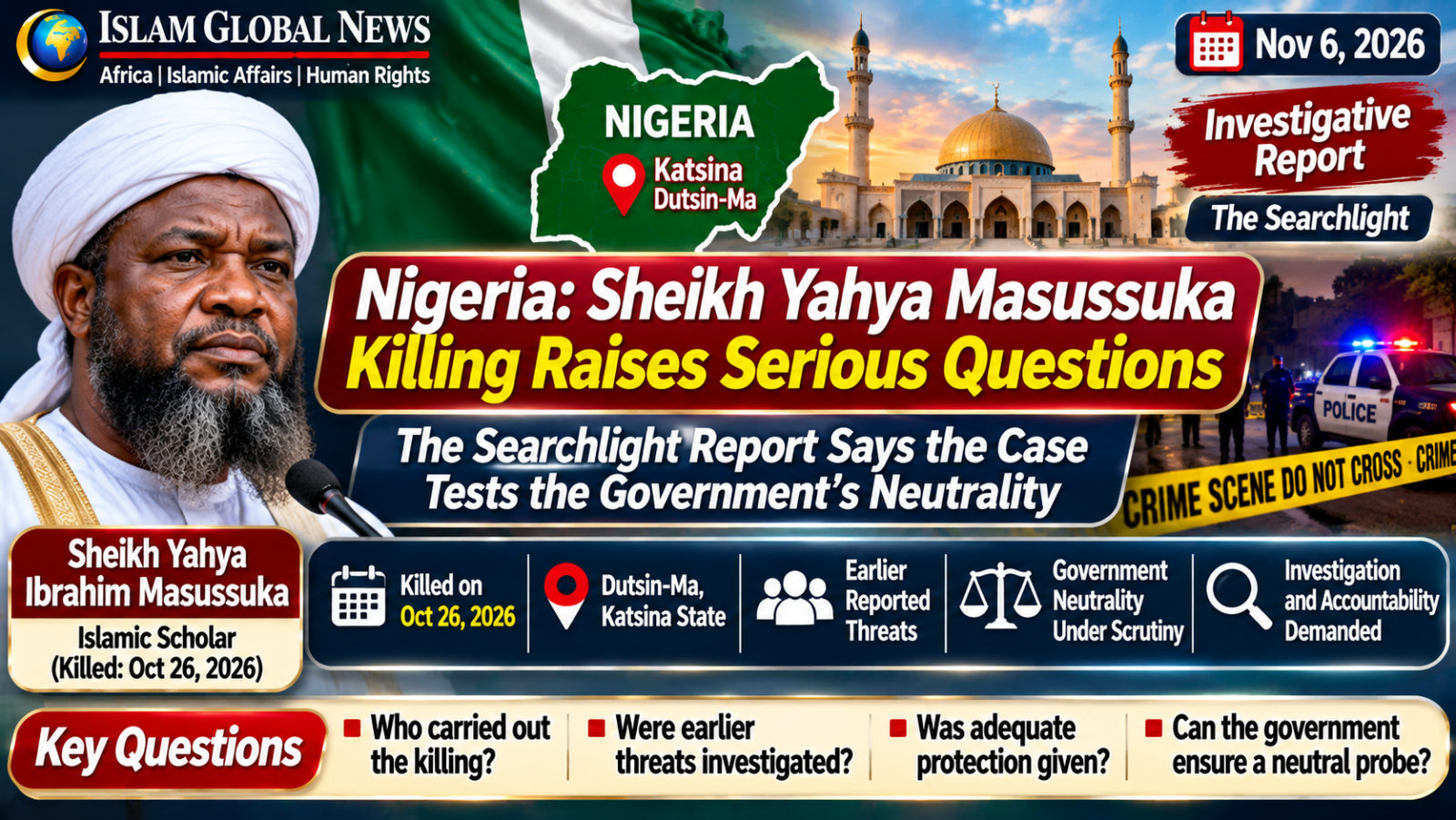
Nigeria: Killing of Sheikh Yahaya Masussuka Raises Questions Over Religious Freedom and Government Neutrality By Islam Global News Editorial Desk Published: 6 November 2026 Location: Dutsin-Ma, Katsina State, Nigeria Category: Africa | Islamic Affairs | Human Rights The killing of Nigerian Islamic scholar Sheikh Yahaya Ibrahim Masussuka has raised serious questions about religious freedom, the protection of religious figures and the government's responsibility to ensure an impartial investigation. The scholar was shot dead outside his residence in Dutsin-Ma, Katsina State, on October 26, 2026. His companion, Adamu Abubakar, was also killed in the attack. The case has attracted renewed attention following investigative reporting published on November 6, including discussion of whether the authorities can demonstrate neutrality and accountability in a case involving a religious figure whose teachings had previously generated controversy. How the Attack Happened According to the Katsina State Police Command, the attack occurred at approximately 7:30 p.m. on October 26. Two armed men reportedly arrived on a motorcycle and opened fire on Sheikh Masussuka and Adamu Abubakar outside the scholar's residence. Both victims were taken to hospital but were pronounced dead by medical personnel. Following the incident, the Katsina State Police Commissioner ordered the deployment of tactical security teams to locate the attackers. Police confirmed that an investigation had begun. President Tinubu Orders Investigation Nigerian President Bola Ahmed Tinubu condemned the killings on October 27 and directed the Nigeria Police Force and other security agencies to intensify their investigation. The President described the attack as a serious crime and called for those responsible to be identified, arrested and brought to justice. The government also expressed condolences to the victims' families, followers and residents of Katsina State. However, the public still needs clear information about the investigation's progress, including whether suspects have been identified, whether arrests have been made and whether any motive has been established. Earlier Religious Disputes and Reported Threats The circumstances surrounding the scholar's earlier religious activities have become an important part of the wider discussion. Sheikh Masussuka was known for religious teachings that differed from the positions held by several other Islamic scholars in northern Nigeria. His views, particularly concerning the authority of Hadith alongside the Quran, generated public disagreement and criticism. In November 2025, the Katsina State Government reportedly summoned him following complaints about his religious teachings. The cleric had also reportedly complained about insults and threats directed at him by individuals associated with a religious group. The matter was referred to the Katsina Emirate Council for discussion. These earlier disputes have prompted questions about whether adequate measures were taken to address reported threats. However, no verified evidence has established that the earlier religious disagreements caused the October 26 murder. Government Neutrality Under Scrutiny The central issue is not whether a government should support one religious interpretation over another. It is whether every citizen, regardless of religious belief or theological position, receives equal protection under the law. A credible investigation should establish: - Who planned and carried out the shooting? - Were there documented threats against Sheikh Masussuka before his death? - Were those threats reported to government or security authorities? - Were adequate protective measures considered? - Is there evidence connecting the killing to his religious activities? - Have investigators examined all possible motives, including personal and criminal disputes? These questions are essential to establishing public confidence in the investigation. Why This Case Matters Beyond Katsina Nigeria has a diverse Muslim population with different schools of Islamic thought and religious movements. Peaceful disagreement over theology and religious interpretation is not a justification for violence. The killing of a religious scholar, particularly one whose public teachings attracted controversy, raises concerns about the safety of religious minorities, independent thinkers and community leaders. If threats against individuals are ignored because their religious views are unpopular, confidence in equal protection and the rule of law can be weakened. The Investigation Must Establish the Truth The Katsina State Police Command and federal authorities now face an important responsibility: ensuring that the investigation is transparent, impartial and based on evidence. The authorities must identify the perpetrators, establish the motive and explain whether earlier threats were properly investigated. The death of Sheikh Yahaya Masussuka and his companion should not become another unresolved case that deepens religious mistrust. Justice requires an investigation that protects the rights of the victims, respects due process and holds the actual perpetrators accountable. Islam Global News Editorial Desk Sources and References 1. The State House, Abuja – President Tinubu condemns the murder of Sheikh Yahaya Ibrahim Masussuka and directs a thorough investigation, October 27, 2026. 2. Katsina State Police Command – Official statement confirming the deaths and announcing an investigation, October 26, 2026. 3. Premium Times Nigeria – Report on the killing and the cleric's earlier reported threats, October 27, 2026. 4. Nigeria Television Authority (NTA) – Investigation into what is known and what remains unclear about the killing, October 27, 2026. 5. The Searchlight Investigative Report – November 6, 2026, as referenced in the information supplied to Islam Global News; original report details require independent verification. Editorial clarification: The murder and official investigation are confirmed. Earlier religious disputes and reported threats are documented in media reports, but a connection between those disputes and the murder has not been established. No individual or religious organisation should be accused without evidence.
Islamic WorldNigeria Katsina State
Nigeria: Sheikh Masussuka Killing Raises Questions
The killing of Nigerian cleric Sheikh Yahaya Masussuka raises questions about religious freedom, reported threats and the government's investigation.
What do you think about this story?
Your opinion matters to us!
No account required. Comments are private and never published.
Advertisement
Related Articles
More in Islamic World
Islamic World
Malaysia Proposes Reviving Global Zakat Organization
2 min read

Islamic World
AAOIFI Issues New Islamic Finance Auditing Guidance
1 min read
Islamic World
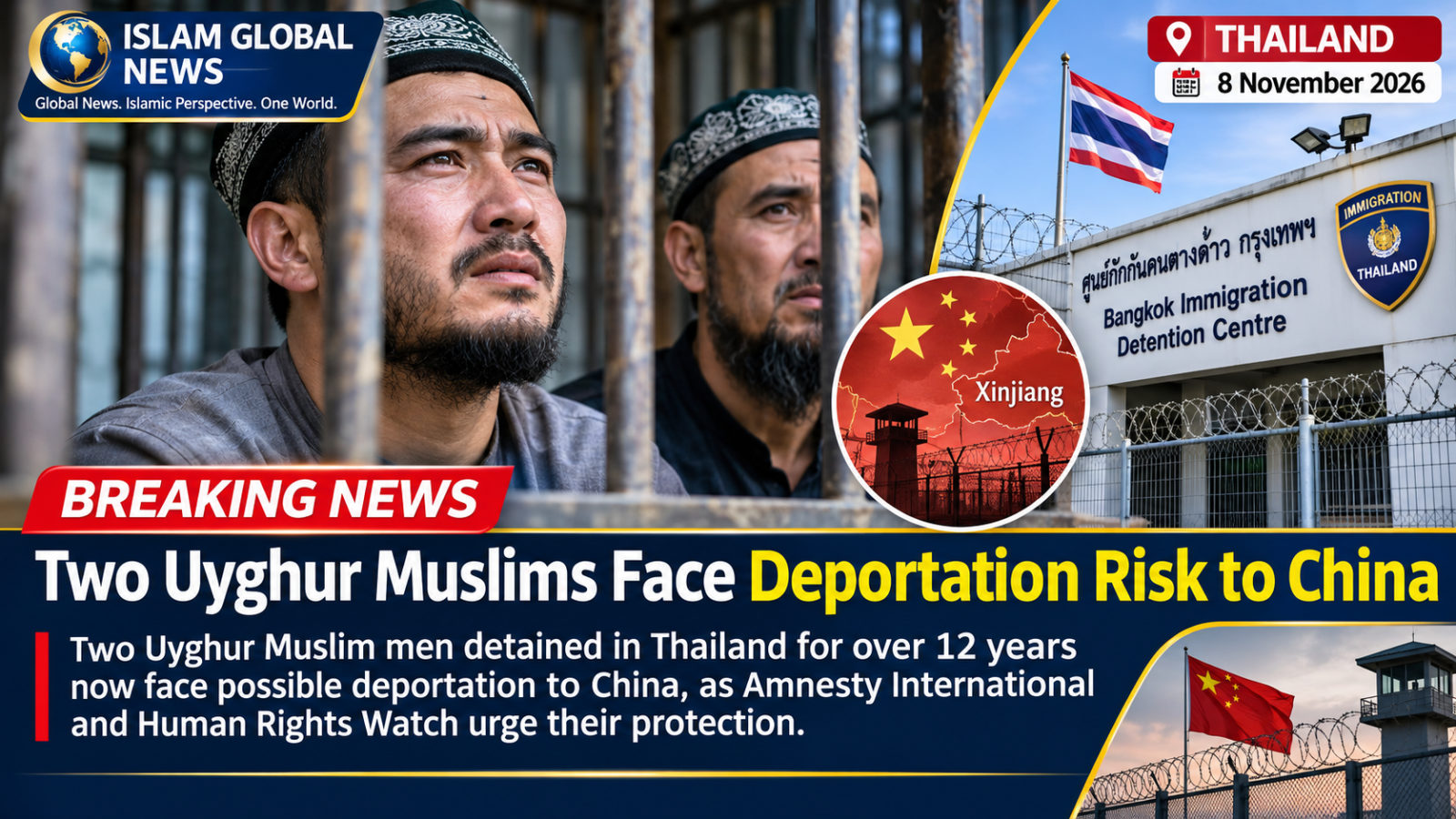
Two Uyghur Muslims Face Deportation Risk in Thailand
2 min read
Islamic World
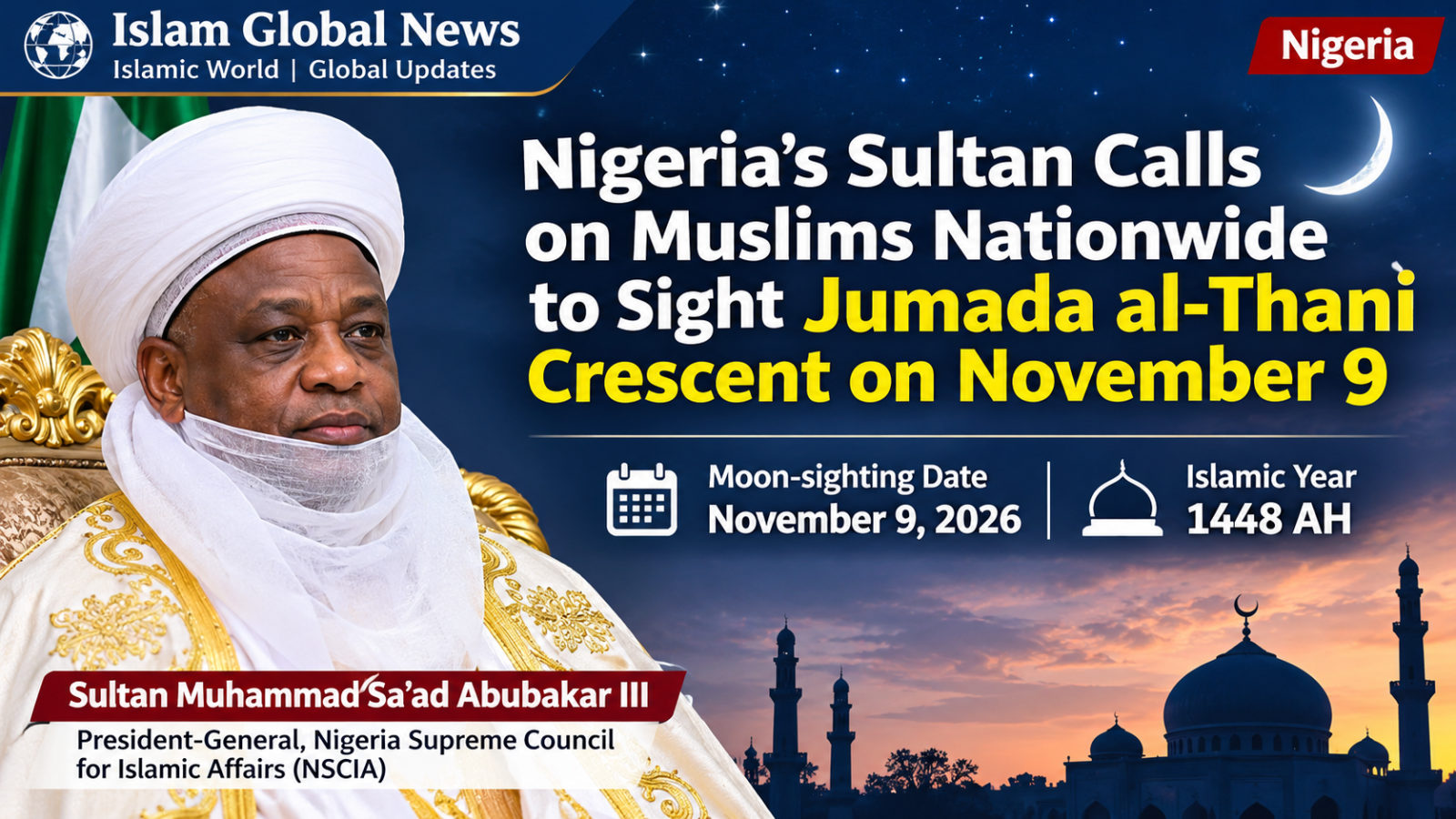
Nigeria Sultan Calls for Jumada alThani Moon Sighting
1 min read