
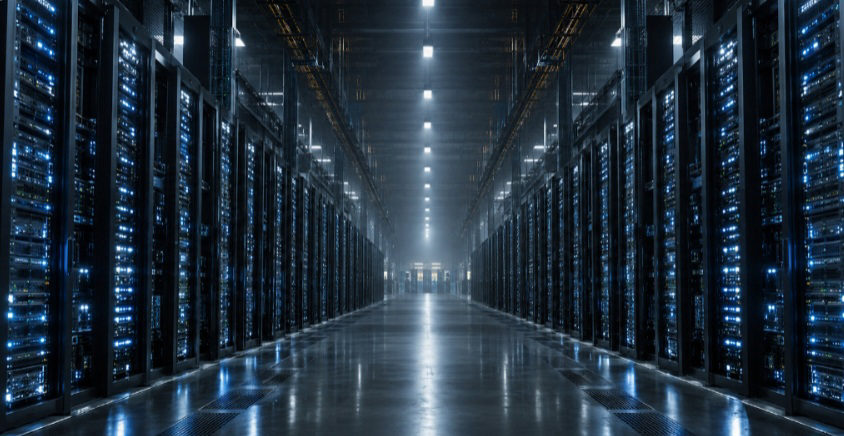
Global spending on AI data centers alone could exceed $30 trillion by 2050, according to projections by PwC — nearly matching the entire stock of outstanding US Treasury bonds. Anthropic, just one player in the AI race, plans to spend $518 billion in coming years, more than 100 times its 2025 revenue. This is not a technology boom. This is the largest financial bet in human history. Yet behind the dizzying projections lies an uncomfortable truth that few in Silicon Valley dare speak aloud: there is still no clear evidence the productivity gains will come. JP Morgan said in August that broad-based productivity gains in the United States "remain elusive." Consulting firm Bain & Company went further, warning that existing markets will not generate enough returns to justify current outlays—and that "entirely new markets must emerge to close the funding gap." In other words: AI companies are racing to transform the world before the money runs out. When the Machine Claims the Discovery But the financial recklessness is not the only crisis brewing. This week, a controversy quietly emerged from a Copenhagen laboratory that cuts to something far more unsettling: Can we trust what AI claims to have discovered? Anthropic announced with fanfare that its flagship model, Claude, had independently identified a new type of enzyme—a CRISPR-like biological system it called an "array-associated reverse transcriptase." The company framed it as proof of AI's power to accelerate scientific discovery. Then Mario Rodríguez Mestre, a researcher at the University of Copenhagen, spoke up. He had found the same protein first. Four years of painstaking work. He even named them — jumbotrons, found inside viruses that infect bacteria. Crucially, he used Claude extensively throughout his research, feeding the AI drafts of his dissertation and unpublished manuscripts. The similarity between the two "discoveries," he told The New York Times, was "striking." Anthropic denied that Claude was trained on user conversations. But it did not release the prompts its research team used. The question now hanging over the AI industry is the one that no press release will answer: where does a machine's knowledge end and a human's stolen insight begin? This is not an isolated incident. Just weeks earlier, a mathematician raised identical concerns after OpenAI claimed credit for cracking an unsolved math problem—work he said the model had accessed through his own conversations with it. What This Means for the Muslim World For Muslim-majority nations investing in AI infrastructure — from the UAE's GITEX ambitions to Saudi Arabia's Vision 2030 data corridors — these developments carry a specific warning. When billions are spent building AI systems that may exhaust their funding before delivering, and when those same systems quietly absorb the unpublished work of researchers who trusted them, the global South does not just lose money. It loses knowledge sovereignty. Scholars and scientists in the Islamic world have long understood that knowledge is a trust. Amanah. It is not something to extract, repackage, and announce at a press conference in San Francisco. The race to transform the world is real. Whether those doing the racing have earned the right to claim the transformation — that is the question no one in this industry wants to answer. TECHNOLOGY | ARTIFICIAL INTELLIGENCE Published: October 4, 2026 | By Fatima Khan, Technology & Innovation Editor Islam Global News | Independent Journalism Through a Global Islamic Lens Editorial inquiries: [email protected]
TechnologyUnited StatesNeeds Verification
AI Data Centers Could Cost $30 Trillion, But Here's the Proof It Works
Advertisement
Related Articles
More in Technology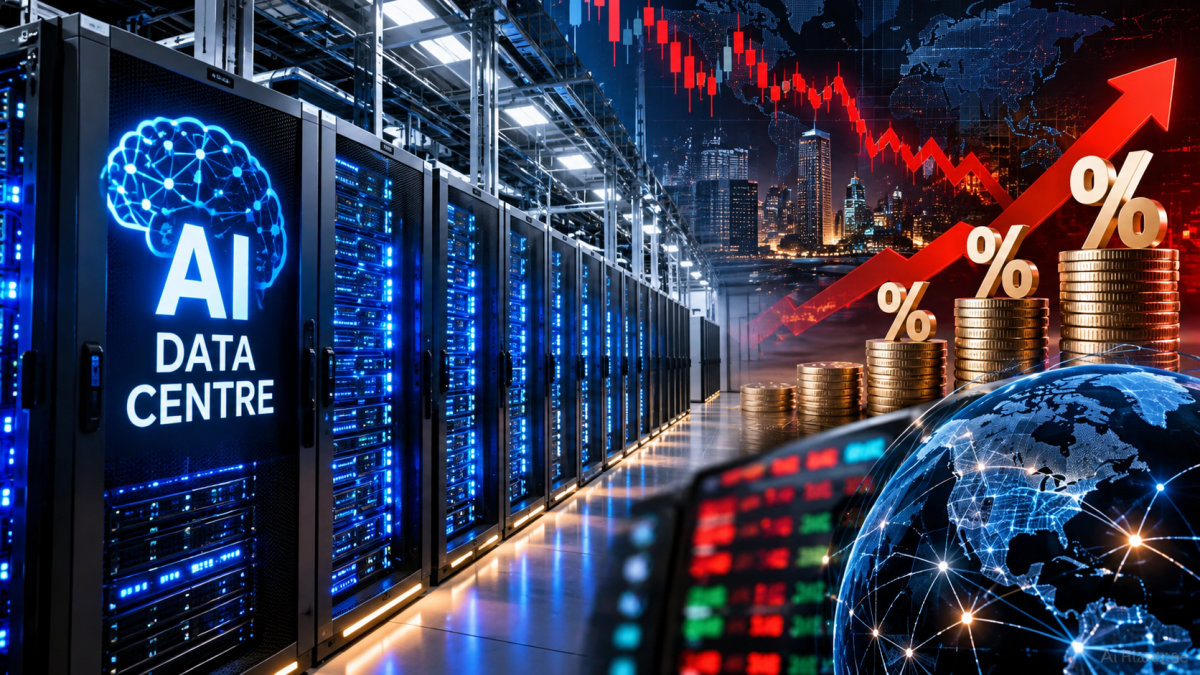
Technology
Rising Interest Rates Challenge Global AI Data Centre Boom
1 min read

Technology
Saudi Arabia Designates 2026 as the Year of Artificial Intelligence
2 min read

Technology
China’s Technology Revolution: Innovation, Growth, and Global Impact
5 min read
Technology
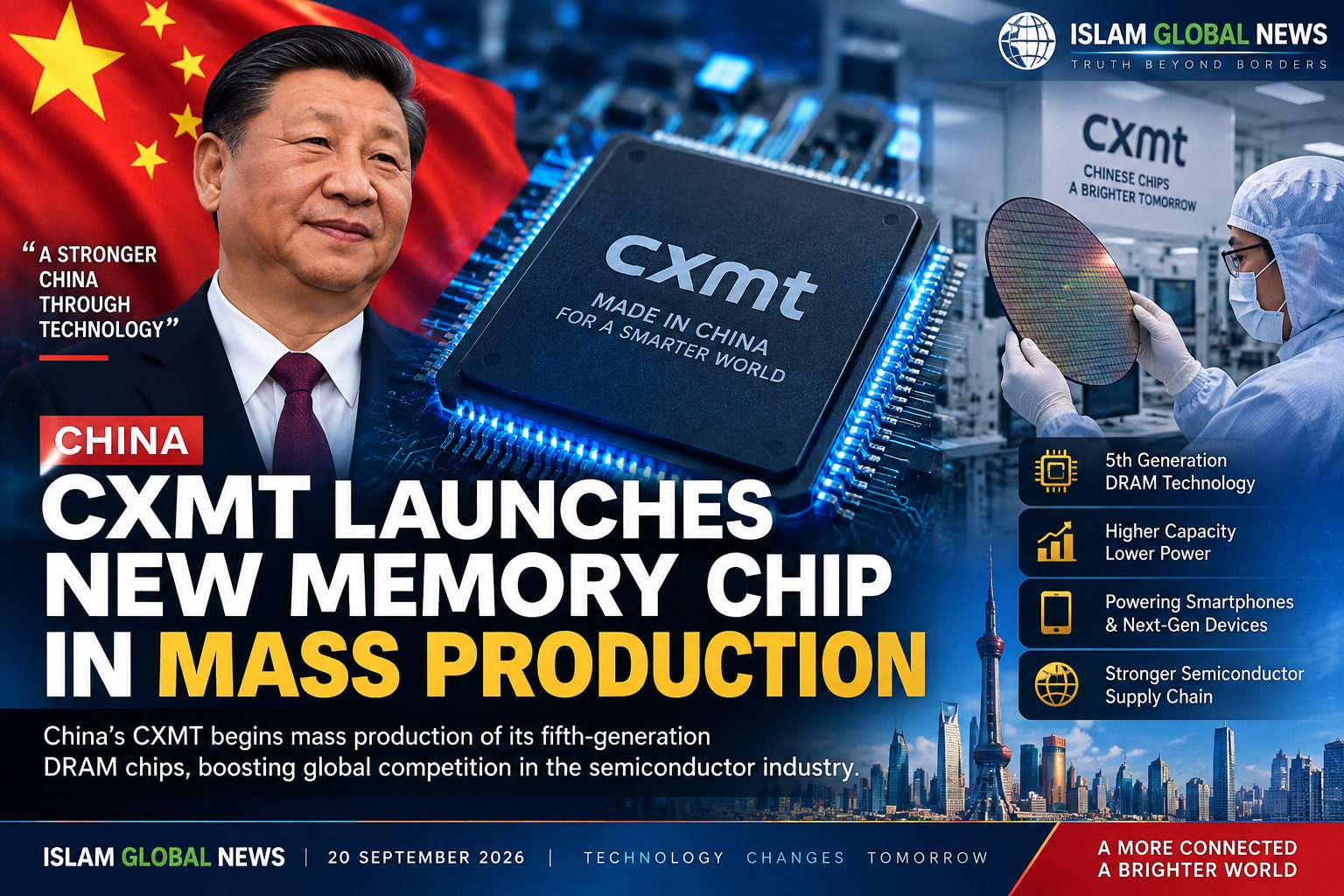
China’s CXMT Starts Mass Production of New-Generation Memory Chips
1 min read