China's rise in technology is no longer a story about low-cost manufacturing. It is now about electric cars, mobile payments, artificial intelligence, satellites, green energy, and the race to build core technologies at home. The scale matters. China has a huge domestic market, strong manufacturing depth, and a government that treats technology as a national priority. That mix has helped Chinese companies move from copying and assembling to designing, testing, and exporting products that shape daily life far beyond China's borders
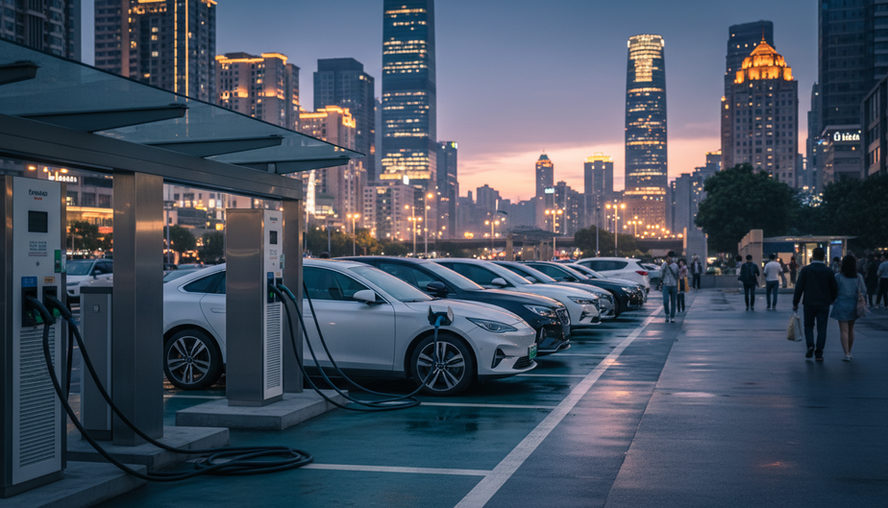
China moved from factory floor to technology lab For decades, China became known as the world's factory. Global brands relied on Chinese suppliers for electronics, appliances, clothing, and industrial parts. That role gave China something valuable: deep practical knowledge of how products are made at scale. Over time, that manufacturing base became a launchpad for invention. Cities such as Shenzhen turned into hardware hubs where engineers, suppliers, designers, and factories work close together. A company can test a new device, adjust parts, and prepare for mass production far faster than in many other places. This is one reason China has become strong in: Consumer electronics Drones Electric vehicles Solar panels Telecom equipment Battery technology Smart appliances The shift is clear. China is not only making goods for others. It is building its own brands, standards, and platforms. Electric vehicles are China's clearest success story China's electric vehicle sector shows how the country combines policy, manufacturing, and consumer demand. The government supported charging networks, battery research, and clean transport goals. At the same time, Chinese consumers quickly accepted connected cars with large screens, app controls, and frequent software updates. Chinese EV makers compete heavily on battery range, cabin technology, price, and design. This pressure has pushed rapid improvement. It has also affected global car markets, including India. Europe. South-East Asia, and Latin America. The strength behind China's EV rise is not only the car. It is the supply chain around the car. Batteries, motors, sensors, chips, software, and charging equipment all matter. China has built depth across many of these areas.
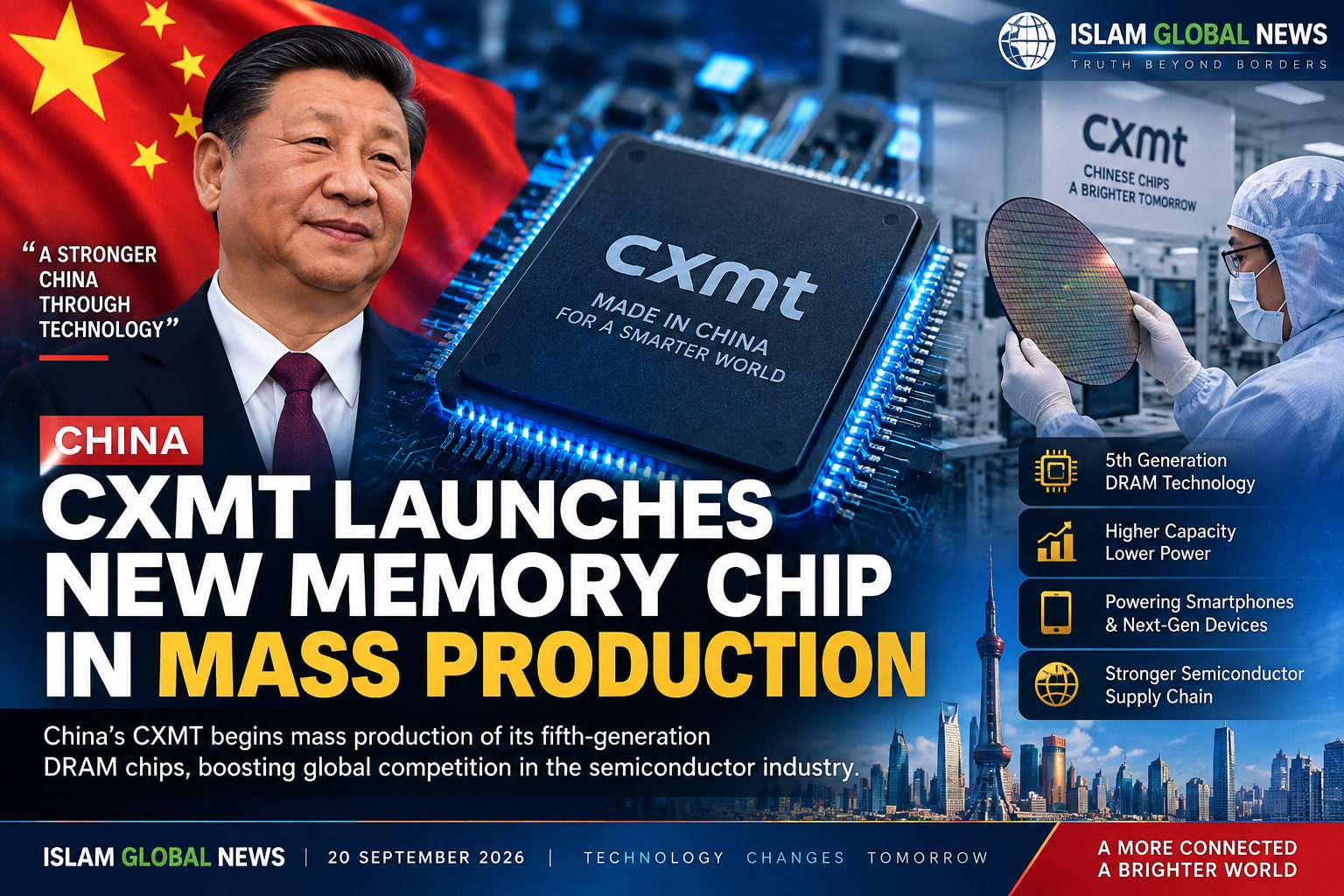
Digital payments changed everyday life In many Chinese cities, mobile payments became normal for small and large purchases. People use phones to pay for street food, taxis, metro rides, groceries, online shopping, and utility bills. This change did more than replace cash. It helped create a wider digital economy where payments, shopping, delivery, lending, travel, and entertainment connect through apps. For small merchants, digital payments reduced the need for card machines and cash handling. For consumers, payments became quick and familiar. For technology companies, payment data helped grow services around credit, insurance, logistics, and retail. India has seen its own major digital payments growth through UPI, but China's experience shows how deeply payments can reshape commerce when platforms become part of daily behaviour. Artificial intelligence is now a national priority China is investing heavily in artificial intelligence for language tools, image recognition, manufacturing, transport, healthcare research, and public services. Its large population and digital platforms create vast pools of data, though data use also raises serious questions about privacy. consent, and state oversight. The country has strong AI research talent and major technology companies working on large language models, autonomous driving, robotics, and smart manufacturing. At the same time, China faces limits linked to advanced chips, export controls, and access to high-end semiconductor equipment. That tension defines much of China's technology revolution today. The country is powerful in applications and manufacturing, but still wants more independence in the hardest parts of the technology stack. Semiconductors remain the toughest challenge Chips are the heart of modern technology. They power phones, cars, data centres, defence systems, medical devices, and industrial machines. China can produce many types of chips, but it still depends on foreign tools and know-how for the most advanced chips. This is why semiconductors have become a strategic priority. China is funding domestic chip design, manufacturing equipment, materials, and talent development. Progress is visible, but the gap at the highest end remains difficult to close. The challenge is not only technical. Advanced chipmaking needs an entire ecosystem: Area Why it matters Chip design Turns ideas into working processors Fabrication Manufactures chips at tiny scales Enables precise production Equipment Materials Supports quality and yield Talent Solves complex engineering problems The semiconductor race will shape China's next phase of growth more than almost any other sector.
Space, green energy, and high-speed rail show long-term ambition China's technology story is not limited to phones and apps. The country has also built major strength in large engineering systems. Its high-speed rail network is among the largest in the world. This has changed travel between cities and created demand for advanced signalling, train design, station systems, and construction methods. China's space programme has also gained attention through lunar missions, satellite launches, and its own space station. These projects build prestige, but they also support navigation, communications, earth observation. and scientific research. Green energy may be even more important. China is a leading producer of solar panels, batteries, and wind power equipment. This affects the global cost of clean energy. It also gives China influence in supply chains that will matter as countries try to cut carbon emissions. The global impact is both opportunity and concern China's technology growth creates real benefits for the world. Lower-cost solar panels help countries expand renewable energy. Affordable smartphones connect more people. EV competition can push cleaner transport. Better batteries support homes, grids, and industries. At the same time, countries worry about dependence. If one nation controls too much of a supply chain, others face risks during trade disputes, conflicts, or sudden policy changes. There are also concerns about cybersecurity, surveillance technology, intellectual property, and the political influence that can come with digital infrastructure. For India and other countries, the lesson is not simple imitation. China's progress shows the value of long-term planning, local manufacturing, technical education, and patient investment. But every country must build its own model based on its institutions, market needs, and security concerns.