Gaza Children Face Renewed Malnutrition Risks as Supply Disruptions Threaten Recovery
GAZA / GENEVA, October 17, 2026 — Children in Gaza remain at serious risk of malnutrition as interruptions to commercial supply deliveries threaten to undermine recent improvements in food security, according to warnings from the United Nations Children’s Fund (UNICEF).
In a report and briefing published on October 16, UNICEF said the progress made in addressing child malnutrition remains fragile. The agency called for humanitarian assistance and commercial goods to enter Gaza continuously and predictably to protect vulnerable families.
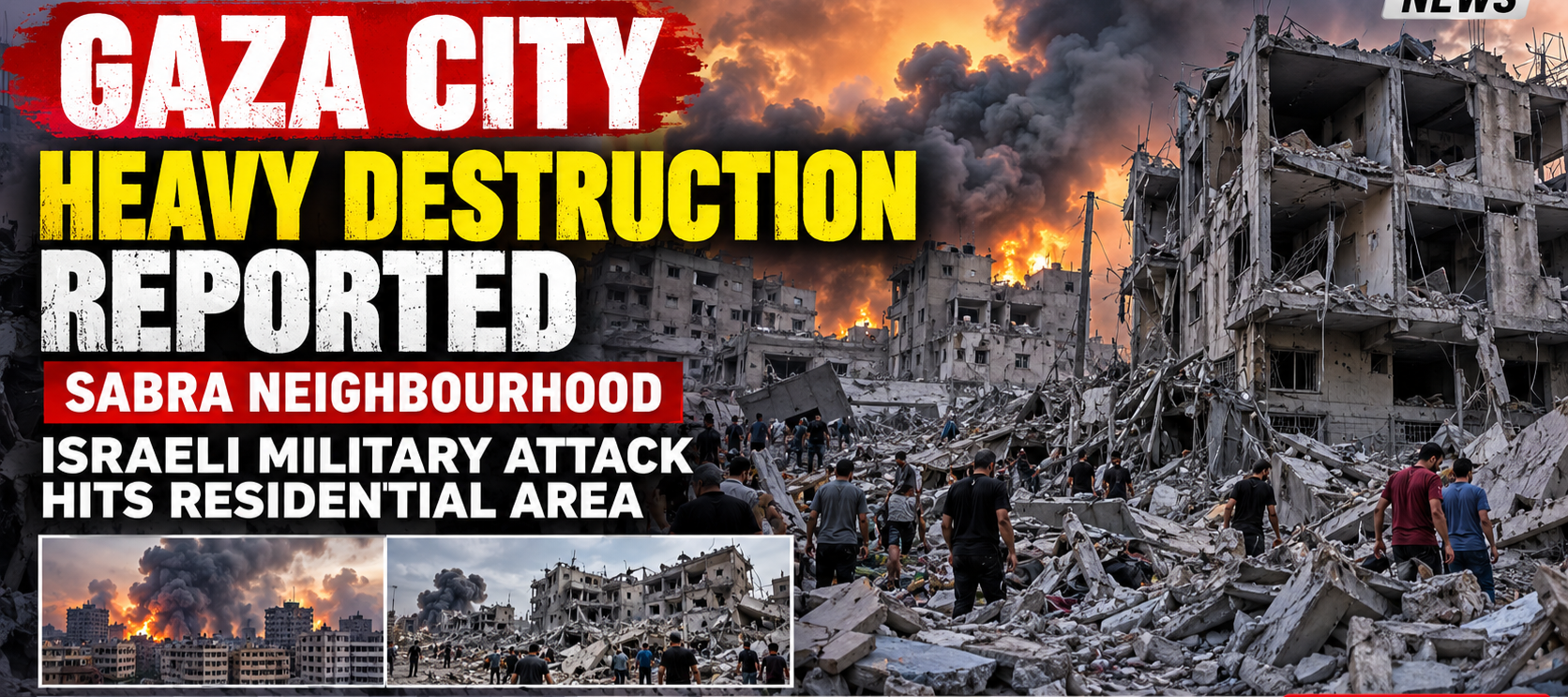
The warning comes as Gaza continues to recover from years of conflict, widespread destruction and repeated displacement. Although the ceasefire that began in October 2025 has helped improve access to supplies, humanitarian needs remain severe.
Supply Disruptions Raise Concerns Over Food Access
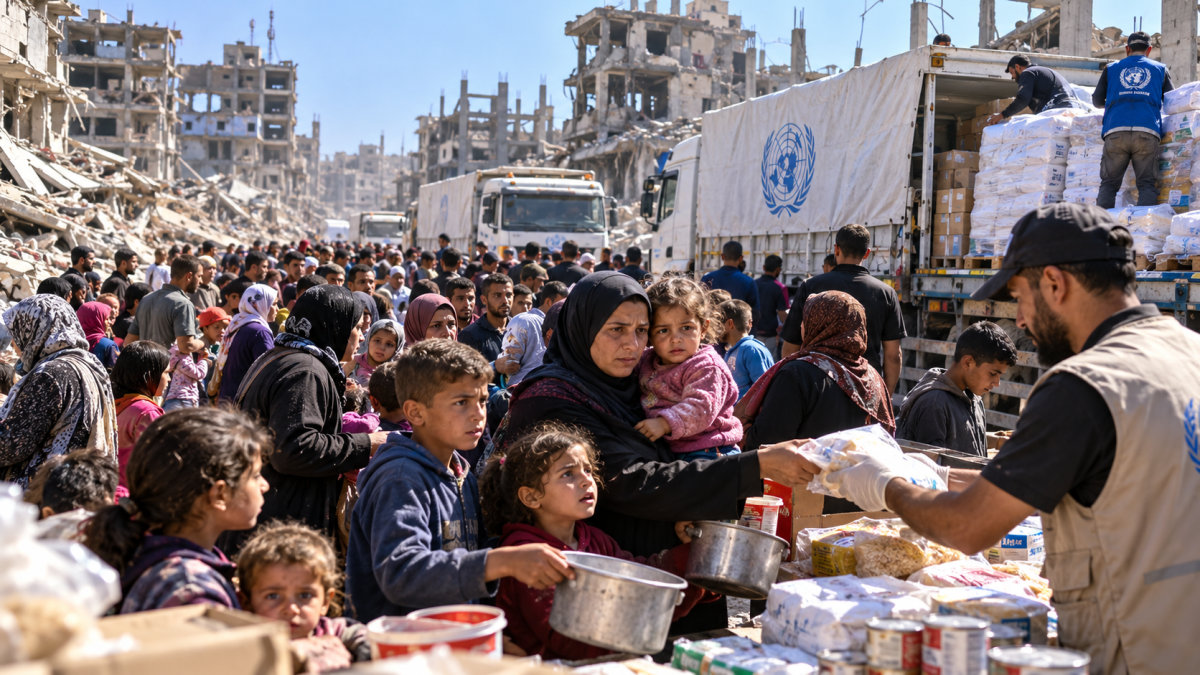
Commercial deliveries are an important source of food and everyday essentials for families in Gaza. Their interruption could further limit the availability of goods in local markets, particularly for households already struggling to meet basic needs.
Israeli authorities said commercial goods had stopped entering Gaza amid a dispute involving taxes and payments between local merchants and Hamas. The interruption has raised concerns among humanitarian agencies about the potential consequences for families who depend on both market supplies and relief assistance.
UNICEF has stressed that commercial goods and humanitarian aid are both necessary for children’s recovery. Relief deliveries alone cannot replace the importance of a functioning market and a consistent supply of essential products.
The agency has called for all relevant crossings to remain open and for the movement of supplies to be reliable and sustained.
Child Nutrition Remains a Major Concern
Despite improvements in the broader food security situation, UNICEF’s latest findings highlight continuing nutritional challenges among young children.
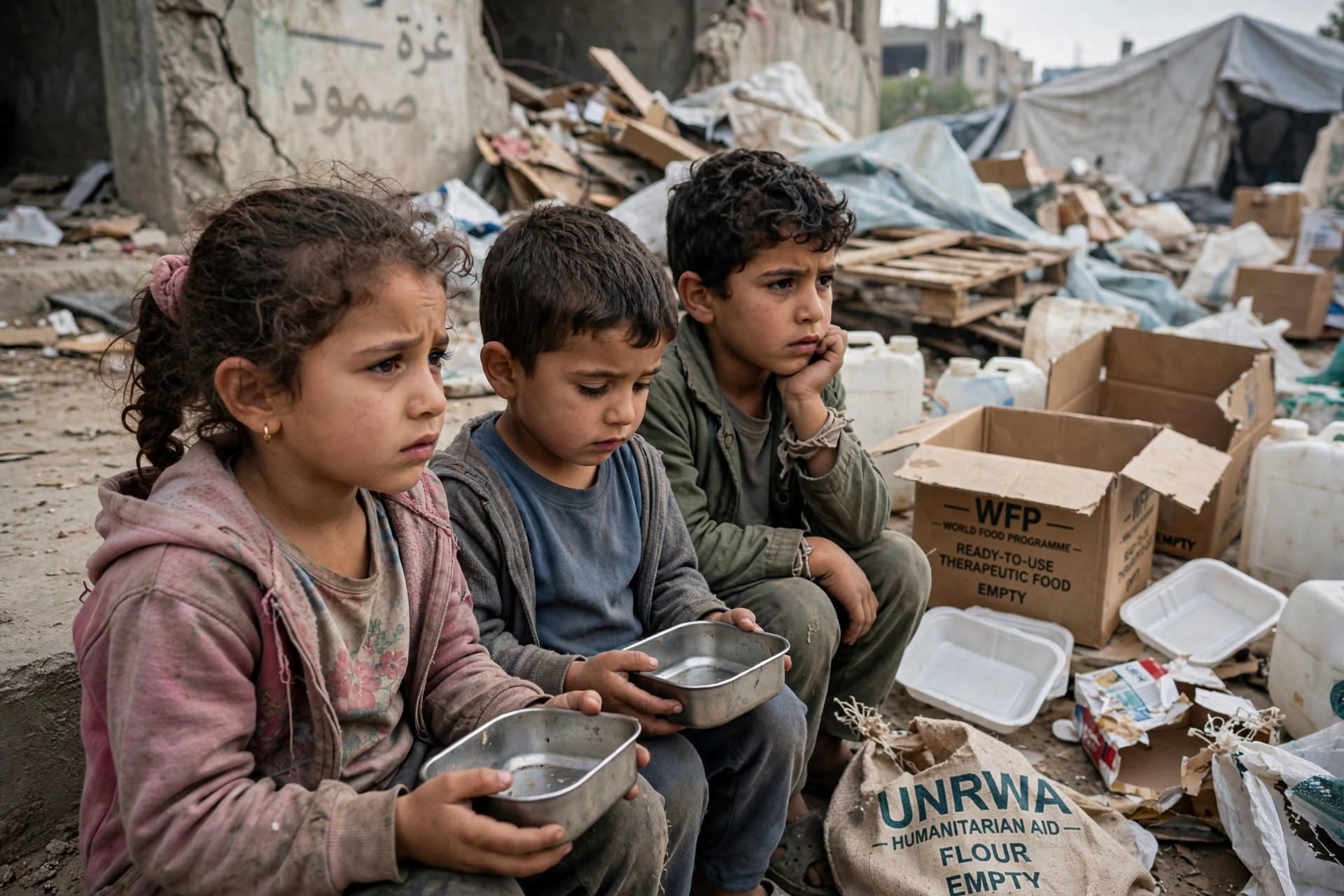
According to the agency’s report, only around one in three children under the age of two is receiving a sufficiently diverse diet. A UNICEF-supported survey conducted in June 2026 also found that approximately one in eight children under five experienced chronic malnutrition.
These findings underline the importance of providing children with a consistent supply of nutritious food, alongside access to healthcare and specialised nutrition services.
Malnutrition can affect physical growth, immune function and early childhood development. For children who have already experienced prolonged hardship, further interruptions to food access could make recovery more difficult.
Hundreds of Thousands of Children Remain Displaced
Living conditions across Gaza continue to compound the risks facing children. UNICEF estimates that approximately 800,000 children remain displaced, with many living in tents or unsafe buildings.
As winter approaches, inadequate shelter, poor sanitation and limited access to essential services are additional concerns for families.
Safe housing, clean water, healthcare and adequate nutrition are closely connected. Even when food becomes available, children living in unhealthy or overcrowded conditions may remain vulnerable to illness and other threats to their wellbeing.
Humanitarian agencies have therefore emphasised that recovery requires more than food deliveries alone. Families also need safer living conditions and dependable access to basic services.
UNICEF Calls for Sustained Humanitarian Access
UNICEF has urged that humanitarian and commercial supplies continue entering Gaza without unpredictable interruptions. The agency has warned that renewed shortages could undermine the improvements achieved since the ceasefire.
Maintaining access to food, nutrition products and essential goods will be critical to preventing further deterioration in children’s health.
The situation also highlights the need for continued support for nutrition programmes, healthcare facilities, water and sanitation systems, and safe shelter for displaced families.
What Happens Next?
The immediate concern is whether the flow of commercial goods and humanitarian assistance can be maintained as winter approaches.
For Gaza’s children, consistent access to nutritious food and essential services will be central to recovery. Any prolonged disruption could place additional pressure on households already facing displacement and severe economic hardship.
UNICEF’s warning makes clear that recent improvements should not be mistaken for a lasting resolution of the crisis. Sustained access to supplies and better living conditions will be essential to protect children and support their recovery.
Source attribution: This report is independently written by Islam Global News using Reuters reporting published on October 16, 2026, and information from UNICEF’s child nutrition reporting and October 16 Geneva briefing. Claims concerning the reasons for the commercial supply interruption are attributed to Israeli authorities, as reported by Reuters.
Editorial note: Figures and conditions reflect the cited reporting available as of October 17, 2026. The article does not imply that current famine conditions have been confirmed.