
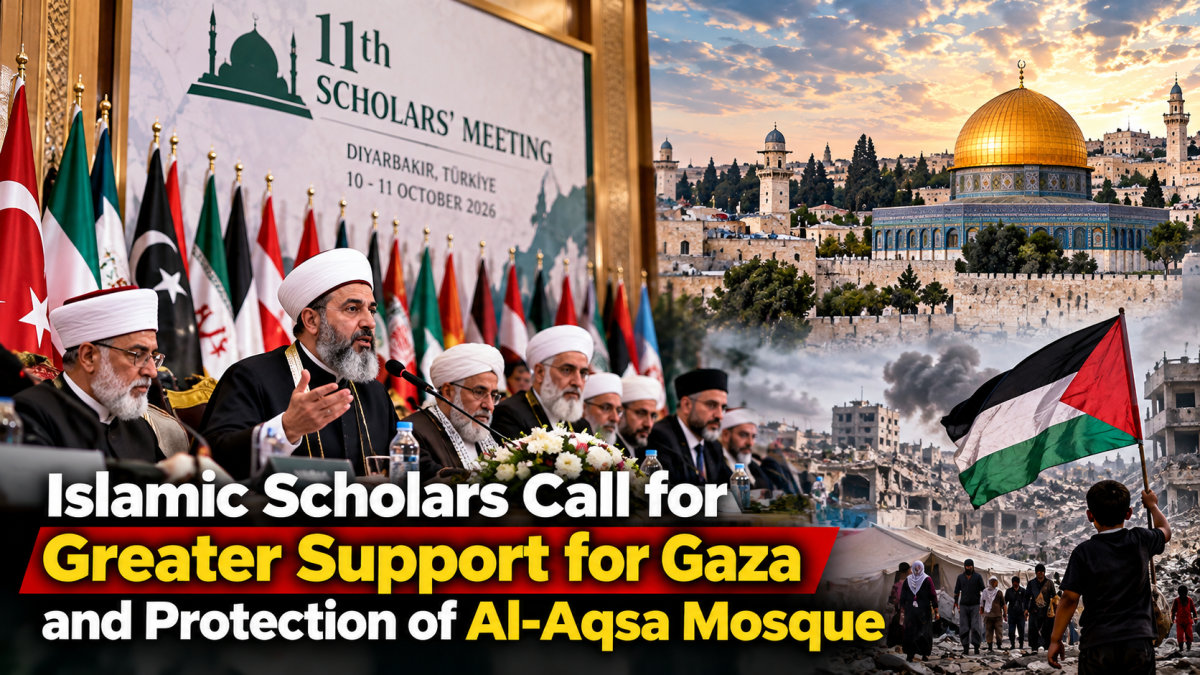
Islamic Scholars Call for Greater Support for Gaza and Protection of Al-Aqsa Mosque Muslim scholars meeting in Türkiye have urged the wider Islamic world to strengthen support for Palestinians, protect Al-Aqsa Mosque and use modern technology to promote Islamic values and education. DIYARBAKIR, Türkiye — October 14, 2026: Islamic scholars from Türkiye and several Muslim-majority countries have renewed calls for solidarity with Palestinians in Gaza and the protection of Al-Aqsa Mosque, highlighting the responsibilities of Muslim communities amid continuing humanitarian and political challenges. The discussions took place during the 11th Scholars’ Meeting organised by İTTİHADUL ULEMA, also known as the Union of Scholars, in Diyarbakır, southeastern Türkiye. The gathering, held on October 10–11, focused on Islamic outreach, contemporary communication methods and challenges affecting the wider Muslim world. According to İLKHA, the meeting brought together religious scholars and representatives to discuss the situation in Gaza, developments concerning Al-Aqsa Mosque, and ways to strengthen Islamic education and public engagement. Scholars Highlight the Situation in Gaza Egyptian scholar Sheikh Mohammed al-Saghir called on Muslims to reflect on their responsibilities towards Palestinians facing difficult circumstances. Speaking at the gathering, he expressed concern about developments affecting Al-Aqsa Mosque and questioned whether the wider Muslim world had provided sufficient support to Palestinians. He urged Muslim communities to contribute according to their abilities, emphasising that support could take different forms, including humanitarian assistance, public awareness and efforts to protect religious sites. The remarks reflected a broader appeal at the meeting for stronger solidarity with Palestinian civilians and greater attention to the humanitarian situation in Gaza. Al-Aqsa Mosque Remains a Central Concern Al-Aqsa Mosque in occupied East Jerusalem remains a major religious and political concern across the Muslim world. Participants at the meeting highlighted the importance of protecting the mosque and preserving its religious significance. Discussions also addressed the responsibilities of Muslim communities and the international community in responding to developments affecting the site. The issue has remained prominent in statements from Islamic organisations and religious leaders, particularly amid repeated reports of tensions and incursions at the mosque compound. Technology and Islamic Outreach The gathering also examined how modern technology can support Islamic education and outreach. Faisal Jalali, a representative of the Embassy of the Islamic Emirate of Afghanistan, spoke about the opportunities and challenges digital platforms and changing media habits present. He encouraged Islamic scholars and outreach workers to use technology responsibly to communicate Islamic values, morality and justice. Jalali also emphasised that religious outreach extends beyond speeches and formal gatherings. Personal conduct, integrity and good character, he argued, remain important ways of communicating Islamic teachings. The discussion highlighted the growing importance of digital communication in reaching younger audiences and addressing questions faced by Muslim communities. A Call for Collective Responsibility The meeting's discussions placed humanitarian solidarity alongside religious education and community responsibility. Organisers said the gathering was intended to address challenges facing the Muslim world and encourage a collective response to the suffering in Gaza. The programme included discussions on Palestine and Al-Aqsa Mosque, alongside broader questions about Islamic outreach and contemporary society. The scholars' appeals were directed at individuals, civil society organisations, and governments, with an emphasis on practical contributions and sustained engagement. What This Means for the Muslim World The meeting in Diyarbakır illustrates how religious gatherings are being used to discuss both immediate humanitarian concerns and longer-term challenges facing Muslim communities. For Palestinians in Gaza, international attention, humanitarian assistance and diplomatic engagement remain important areas of concern. For Muslim communities more broadly, the discussions also raise questions about how religious education, technology and charitable initiatives can contribute to meaningful support. The statements made at the gathering represent the views of the participating scholars and organisers. The wider impact of their appeals will depend on the actions taken by communities, institutions and governments in the coming months. Source: İLKHA — Ilke News Agency, reporting on the 11th Scholars’ Meeting in Diyarbakır, Türkiye. Islam Global News has prepared this article as an original news report based on published reporting. Statements and opinions are attributed to the speakers and source publication.
Islamic WorldTürkiye
Islamic Scholars Urge Greater Support for Gaza and Al-Aqsa Mosque
Islamic scholars meeting in Türkiye call for greater support for Gaza, protection of Al-Aqsa Mosque and stronger Islamic outreach through technology.
Advertisement
Related Articles
More in Islamic World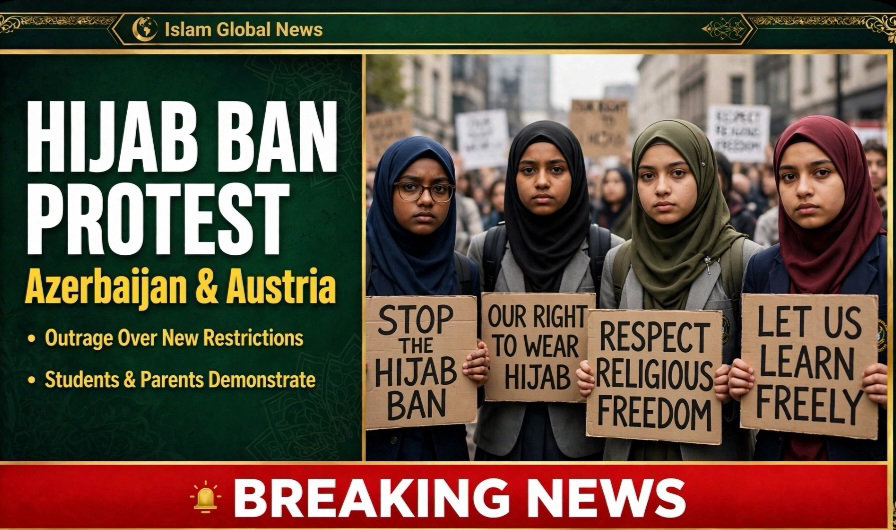
Islamic World
Hijab Ban Protest in Azerbaijan & Austria - Students Fight for Rights
1 min read
Islamic World
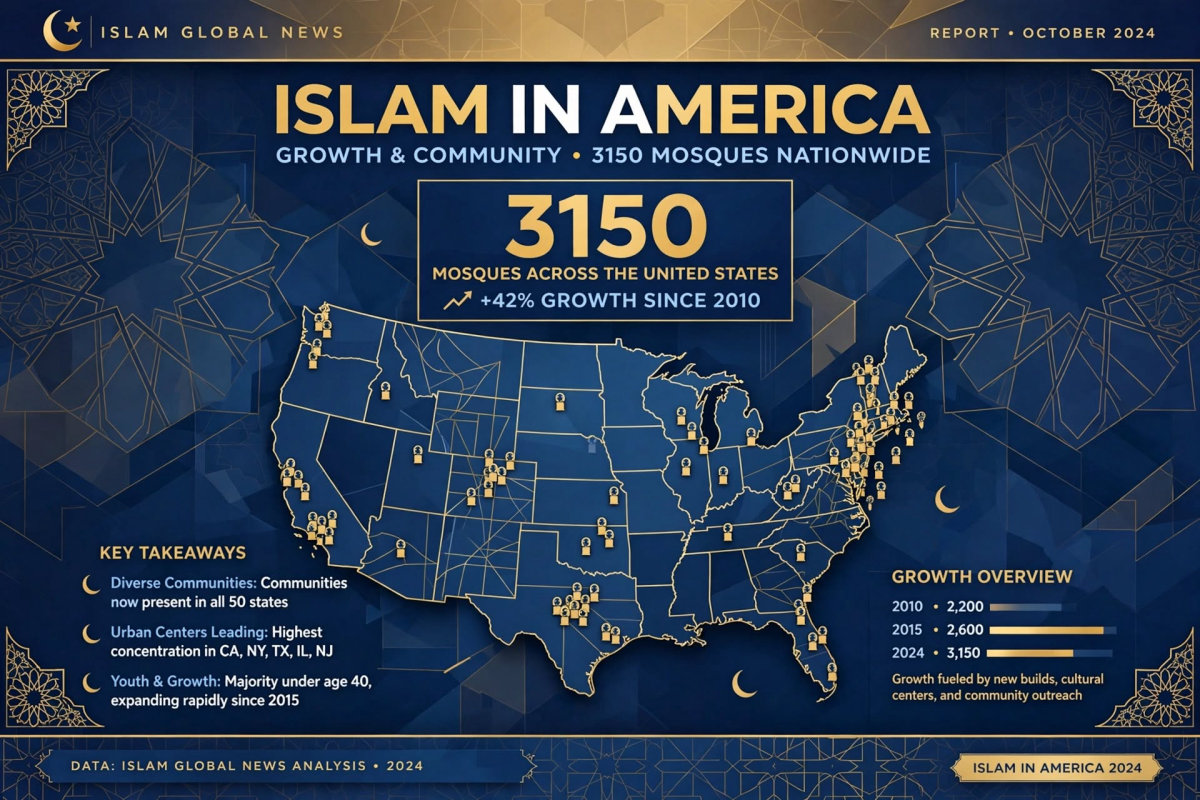
Islam in America: Fastest Growing Religion with 3,150 Mosques in 2026
1 min read

Islamic World
Malaysia PM Anwar: Muslims Must Embrace AI, Quantum Tech But Stay Rooted in Faith
2 min read

Islamic World
Saudi Grants Nigeria 10,000 Extra Hajj Slots for 2027, Indonesia Cuts Wait to 14 Years
1 min read