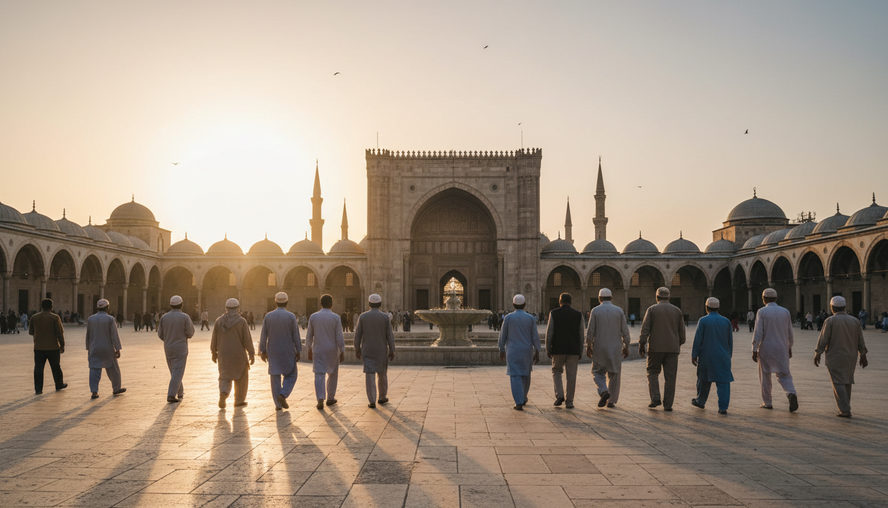
Islam-related news today is being shaped less by a single headline and more by a set of connected global issues: pilgrimage safety, conflict and humanitarian relief, religious freedom, education, climate pressure, and the public role of Muslim communities. As of 15 September 2026, governments, religious authorities, aid groups, scholars, and ordinary worshippers are all part of the story, because Islam is not only a faith tradition for nearly two billion people. It is also tied to law, culture, family life, finance, food, education, charity, and diplomacy across continents.
This roundup focuses on verified, durable developments that continue to define coverage of Islam around the world. It avoids unconfirmed breaking claims and looks at what newsrooms, policymakers, and community leaders are watching now.
The key developments at a glance
Monetize
Issue
Translate
Pilgrimage
Humanitarian aid
Religious freedom
Education
Islamic finance
Climate response
Main development
Hajj and Umrah planning remains focused on heat. crowd control. health systems, and digital permits
Muslim charities and relief networks continue to respond to wars, displacement, hunger, and climate shocks
Laws and public debates over hijab, mosques, hate speech, blasphemy, and minority rights remain active
Madrasas. Islamic
schools, universities, and online religious learning are under closer public attention
Sharia-compliant banking, sukuk, halal investment, and ethical finance continue to grow
Heat, water stress, and disaster planning are changing how Muslim institutions operate
Why it matters
Millions of pilgrims travel to Saudi Arabia each year, making safety a major global concern
Zakat, sadaqah, and mosque-based giving are major sources of community support
These issues affect daily life for Muslim minorities and non-Muslims in Muslim-majority countries
The debate centres on quality, regulation, access, and religious
Muslim and non-Muslim investors are watching faith-based finance models
Mosques, pilgrimage authorities, and charities are adapting to harsher conditions
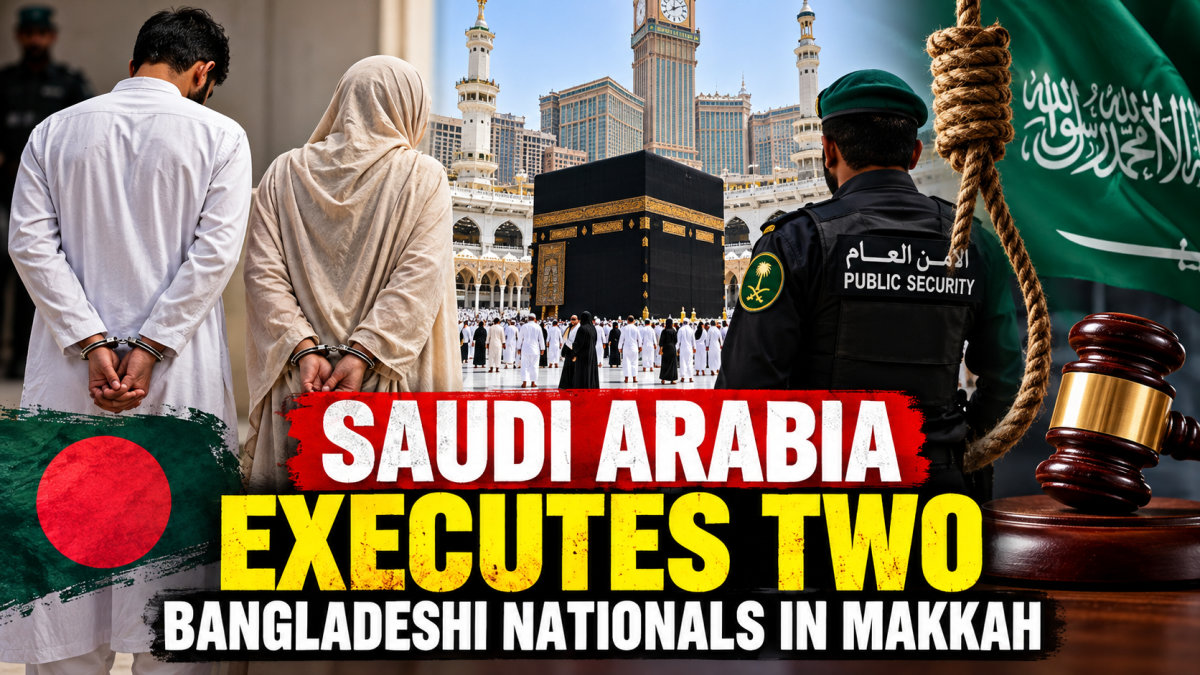
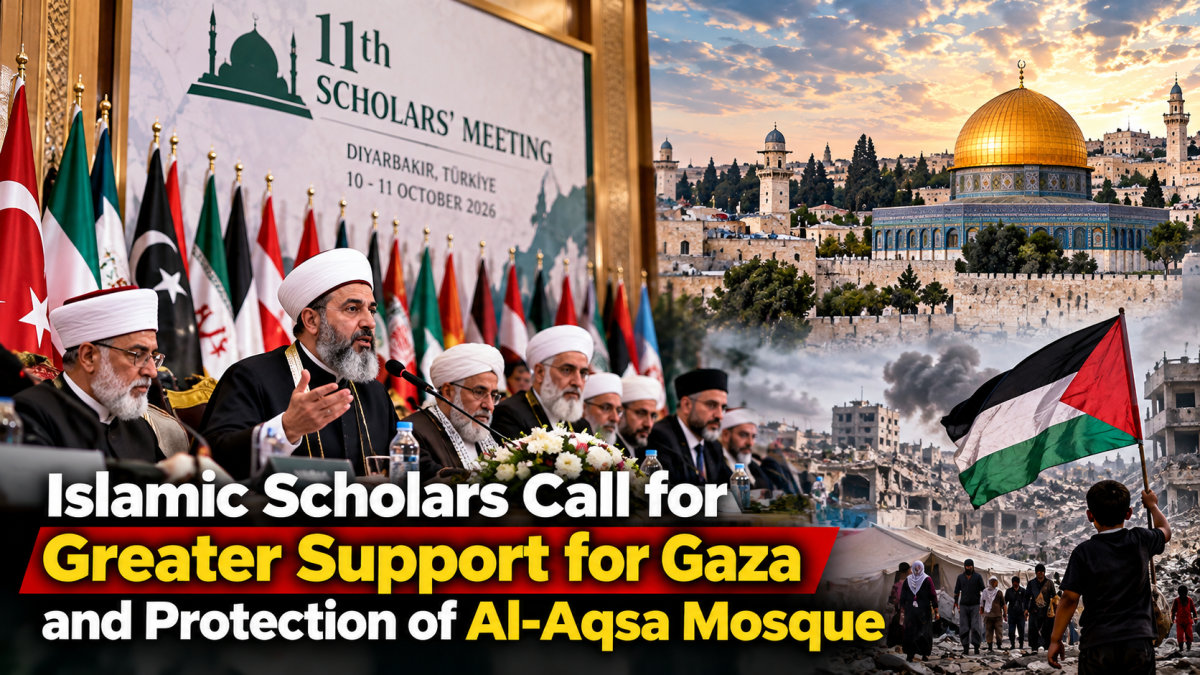
Pilgrimage safety stays near the top of the agenda Saudi Arabia remains at the centre of one of the largest annual religious gatherings in the world. Hajj, which takes place during the Islamic month of Dhul Hijjah, brings together Muslims from every region. Umrah, the lesser pilgrimage, runs through much of the year and also attracts large numbers of travellers. The latest focus is safety. Extreme heat, crowd density, transport planning, and emergency medical care are key concerns after recent seasons brought renewed attention to the risks faced by elderly pilgrims and people with health conditions. Saudi authorities have continued to expand digital systems for permits, movement control, health guidance, and crowd management. Pilgrims increasingly rely on official apps, e-visas, group coordination, wristbands, and pre-travel instructions. These tools aim to reduce unauthorised participation, limit congestion, and improve emergency response. For countries with large Muslim populations, including India, Indonesia, Pakistan, Bangladesh, Nigeria, Egypt, and Türkiye, Hajj preparation is also a domestic news issue. Governments coordinate quota systems, training sessions, transport, medical teams, and consular support. The pattern is clear: Hajj coverage is no longer only about the religious journey. It is also about public health, infrastructure, heat adaptation, and international coordination. Gaza, Sudan, and displacement continue to shape Muslim public life Conflict remains one of the biggest forces shaping Muslim news today. The Israel-Gaza war and its continuing human impact have kept Palestine at the centre of prayers, protests, aid campaigns, sermons, diplomatic debates, and student activism across many countries. Muslim communities have also continued to raise funds and awareness for people affected by conflict and displacement in Sudan, Yemen, Syria, Afghanistan, Myanmar, and other regions. These crises differ in cause and scale, but they share a common feature: civilians carry the heaviest burden. Mosques and Islamic charities often become first points of mobilisation. Friday sermons, Ramadan campaigns, Eid collections, online fundraisers, food drives, and medical aid appeals remain central ways that Muslim communities respond. Relief work is also under tighter scrutiny. Governments and banks in several countries continue to monitor cross-border donations to prevent misuse, while charities call for faster channels to reach civilians. That tension affects many faith-based aid organisations, not only Muslim ones. For readers searching for the Latest News on Islam Today, humanitarian coverage is one of the most important areas to follow because it links faith, politics, law, and public morality.
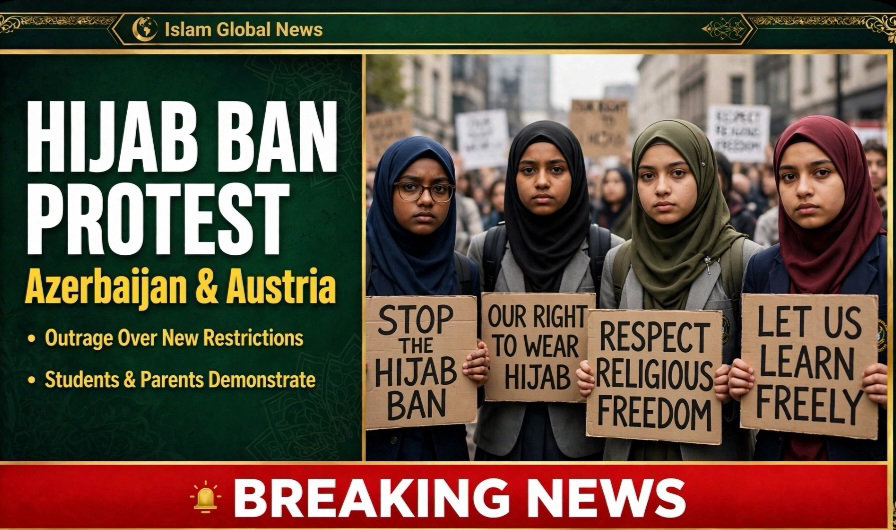
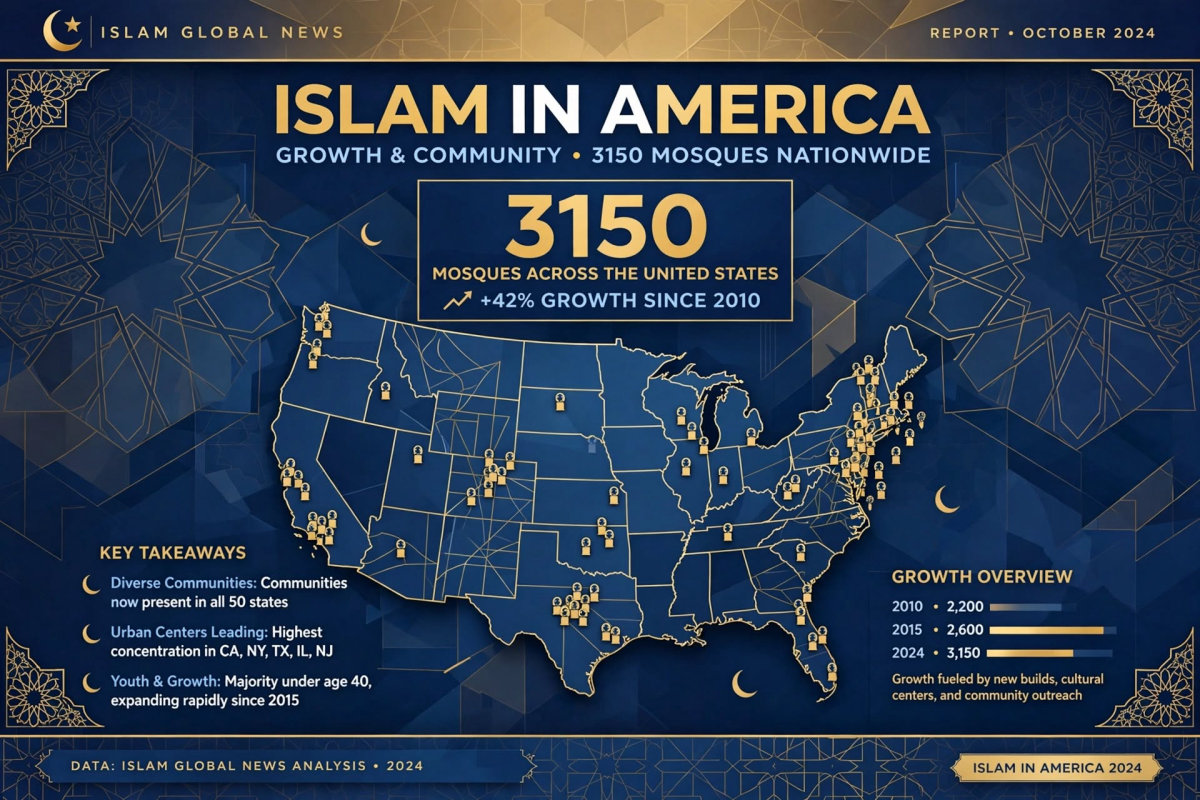
Religious freedom debates remain active worldwide Religious freedom is another major thread in Islam-related news. The issues vary by country. In some places, Muslim minorities face pressure over mosque construction, halal food access, hijab, public prayer, burial rights, school accommodations, and hate crimes. In other settings, religious minorities within Muslim-majority countries raise concerns about worship rights, legal protection, and equal citizenship. Europe continues to see debates over Qur'an burnings, hate speech, secularism, face coverings, and the balance between free expression and protection from religious hatred. Courts, parliaments, rights bodies, and police services all play a role in how these debates unfold. In India, Islam-related news often intersects with constitutional rights, minority education, personal law, mosque disputes, communal violence, political speech, and social trust. Public discussion can be highly sensitive, so credible reporting depends on court records, official statements, verified local accounts, and context rather than viral claims. In North America, community safety remains a key issue for mosques and Muslim civil rights groups. Concerns include anti-Muslim hate, school bullying, surveillance history, and the public treatment of Muslim political speech, especially around foreign policy. The wider trend is not limited to Muslims. It reflects a global question: how can societies protect religious identity while also protecting equality, public order, and freedom of conscience? Islamic learning is changing across classrooms and screens Education is a growing news area in Muslim communities. Traditional madrasas. mosque classes, Islamic schools, universities, and online courses are all changing. Parents often seek religious education that teaches Qur'an reading, Arabic, ethics, worship, and Islamic history. At the same time, many want strong science, maths, language, civic education, and digital skills. This has pushed schools and community centres to review curriculum quality and teacher training. Online learning has widened access. Students can now attend Qur'an classes, figh lessons, Arabic courses, lectures, and study circles from teachers across the world. That offers real benefits, especially for people in remote areas or countries with small Muslim populations. It also raises hard questions. Who is qualified to teach? How should students check sources? How can families avoid misinformation, sectarian hostility, or material taken out of context? Scholars and community leaders increasingly stress religious literacy. That means learning not only rulings, but also method, context, ethics, and respect for difference within the Islamic tradition. Ramadan and Eid remain global public events
Ramadan and Eid continue to receive wider public attention because they affect schools, workplaces, transport, retail, media schedules, and diplomacy in many countries. Moon sighting remains one of the most discussed recurring issues. Some communities follow local sighting. Others follow calculations or announcements from major religious authorities. The result is that Ramadan or Eid can begin on different days in different places, and sometimes even among communities in the same city. That difference is not new. It reflects long-standing legal and scholarly debate. Still, in the age of instant messaging, it often becomes a public argument. Many Muslim leaders now urge communities to plan early, communicate clearly, and avoid turning calendar differences into divisions. Ramadan also remains a season of visible charity. Zakat, the obligatory alms for eligible Muslims, and sadagah, voluntary charity, support food distribution, debt relief, medical aid, education, and emergency relief. In many cities, interfaith iftars and public meals also build links between communities. Eid, meanwhile, has become a civic event in more places. Local authorities, schools, and employers in parts of the world increasingly recognise the need for leave, exam flexibility, event planning, and public safety support.
Islamic finance keeps expanding beyond Muslim- majority markets Islamic finance remains a significant economic story. Sharia-compliant banking, takaful insurance, sukuk bonds, halal investment funds, and interest-free savings products continue to draw attention in Muslim-majority countries and financial centres abroad. The basic principle is that financial activity should avoid interest, excessive uncertainty, and investment in prohibited sectors. It should be linked to real assets, risk sharing, and ethical limits. In practice, the sector is complex. Scholars, regulators, banks, and investors sometimes differ on whether specific products meet Islamic standards. That makes governance important. Sharia boards, disclosure rules, and consumer education all matter. The appeal is not limited to Muslims. Some investors see Islamic finance as part of a wider interest in ethical or values-based finance. Others are drawn by sukuk as a funding tool for infrastructure and public projects. The main challenge is trust. Customers need clear explanations, not only Arabic terms on familiar products. If people do not understand how a product works, religious labelling alone will not settle concerns. Climate pressure is changing religious life Climate change is now a religious news story as well as an environmental one. Heat waves, floods, drought, air pollution, and water stress affect worship, pilgrimage, charity, and mosque management. For Hajj and Umrah, heat is a direct safety issue. Pilgrims walk long distances, spend time outdoors, and move in dense crowds. Medical planning, shaded areas, cooling systems, water access, and clear health guidance all matter. At local level, mosques are also adapting. Some communities are installing solar panels, reducing water waste during ablution, improving ventilation, planting shade trees, and using sermons to discuss care for creation. Islamic teachings on stewardship, moderation, and avoiding waste are increasingly being linked to environmental practice. This is visible in youth groups, mosque campaigns, charity projects, and faith-based climate networks. Disaster relief is another concern. Muslim aid organisations often respond to floods. earthquakes, droughts, and storms. As climate events grow more severe, these groups face rising demand for emergency shelter, food, clean water, and long-term rebuilding. Muslim cultural life remains highly visible
Islam-related news is not only about conflict and law. Culture remains a major part of public life. Islamic art exhibitions, Qur'an manuscript collections, mosque restoration projects, calligraphy, architecture, halal food, modest fashion, film, literature, and music all receive global attention. These stories show the diversity of Muslim societies across South Asia, Southeast Asia, the Middle East. Africa, Europe, and the Americas. There is also growing interest in local Muslim histories. Cities with old trading links, Sufi shrines, mosques, cemeteries, libraries, and migration stories are documenting their past more carefully. This matters because public memory shapes belonging. At the same time, cultural debates can become tense. Questions about representation, appropriation, gender, sectarian identity, and state control of heritage often arise. The best coverage treats Islamic culture as lived and varied, rather than as a single style or region.
What comes next Several Islam-related stories are likely to remain in the news cycle. Pilgrimage authorities will keep facing questions about heat planning, visas, transport, accommodation, and emergency response. Humanitarian agencies will continue to seek access and funding for civilians affected by war and displacement. Courts and legislators will keep handling disputes around religious symbols, speech, schools, and minority rights. Inside Muslim communities, the focus will stay on education, youth identity, family law, mental health, mosque leadership, women's access to religious spaces, and trusted scholarship. These are not always headline-grabbing issues, but they shape daily life. The most useful way to follow Islam in the news is to separate three things: Faith practice, such as prayer, fasting, pilgrimage, charity, and learning Community life, such as schools, mosques, family services, culture, and local leadership Politics and law, such as rights, conflict, state policy, and public debate When these are mixed together without care, coverage becomes shallow or unfair. When they are separated and then connected with context, the news becomes clearer. Islam today is being reported through many lenses: devotion, crisis, reform, identity, culture, finance, and public rights. The strongest coverage will be specific, verified, and careful with language. That is the standard readers should expect, especially when the subject touches the lives and beliefs of so many people.