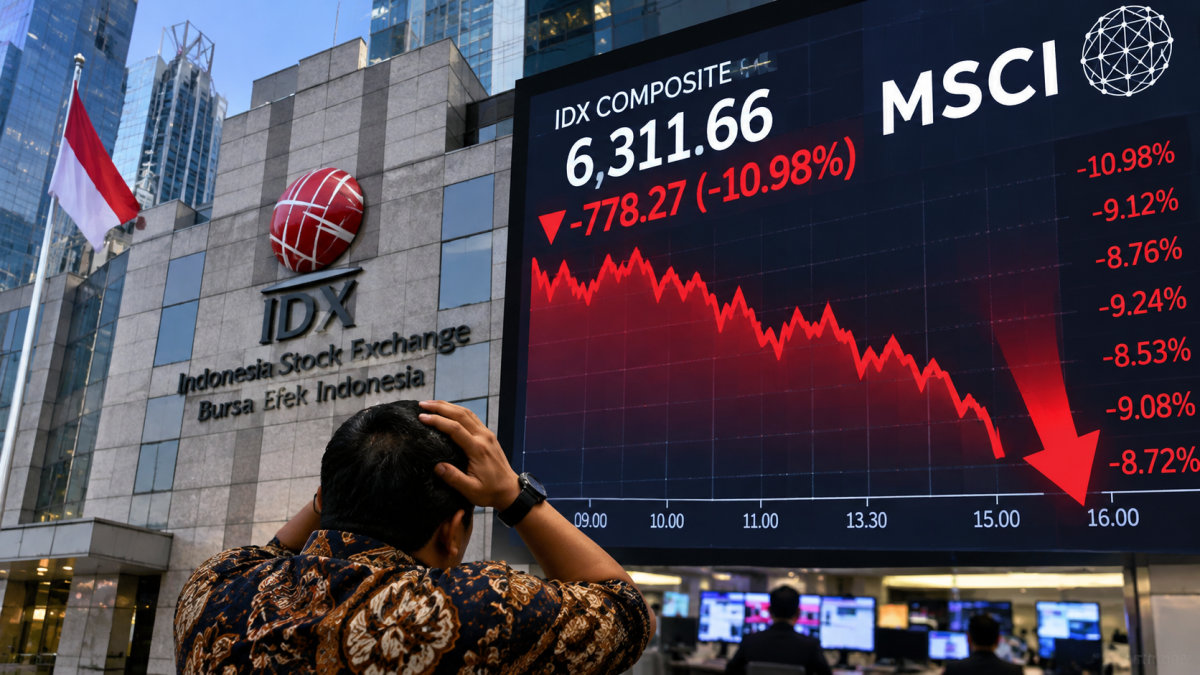
The world is facing a growing debt burden as governments and economies deal with rising interest costs. Global public debt has reached historically high levels, and the cost of servicing that debt is now consuming an increasing share of national budgets.
As debt-servicing payments rise, governments face difficult choices about where to reduce spending. Funds that would otherwise support development programmes, healthcare systems, education and infrastructure are being redirected toward interest payments. The result is a narrowing of the fiscal space available to states that need to invest in the long-term wellbeing of their populations.
The rising cost of borrowing is renewing debate over the long-term sustainability of interest-based financial systems. When governments borrow at high interest rates to fund current expenditure, the obligation to repay with interest can grow faster than the economic activity needed to service it. This dynamic creates structural pressures that are particularly difficult for lower-income governments to manage.
From an Islamic perspective, the global dependence on interest-based debt raises important questions about riba — the prohibition of interest in Islamic finance. Islamic economic thought offers alternative models that approach finance differently across four principles: trade, where returns are tied to the exchange of real goods and services; investment, where capital participates in productive enterprise; risk-sharing, where gains and losses are distributed between parties rather than guaranteed to the lender; and real economic activity, where financial transactions are grounded in tangible value rather than the mere passage of time.
Proponents of these models argue that they distribute risk more equitably and reduce the likelihood of the debt spirals that characterise interest-based systems. The current global debt situation has brought renewed attention to these alternative frameworks, as policymakers and economists examine whether existing financial structures are capable of delivering sustainable outcomes for governments and the populations they serve.