
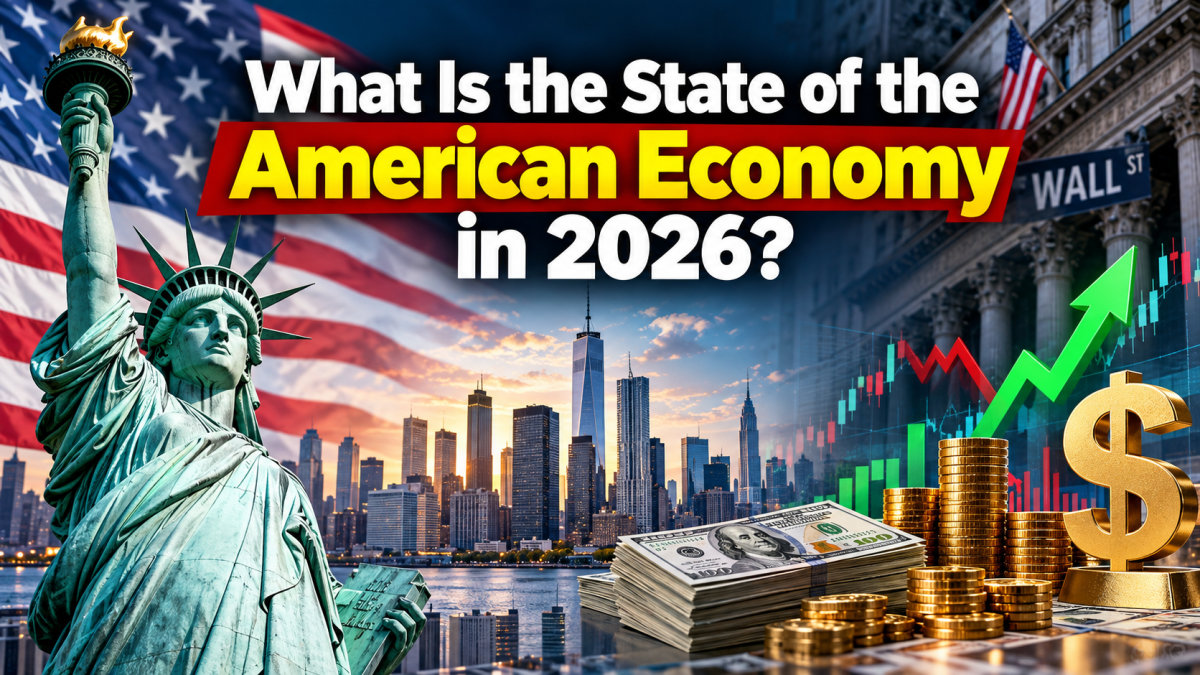
What Is the State of the American Economy in 2026? Growth, Inflation and the Challenges Ahead The American economy in 2026 presents a mixed picture, with economic growth, artificial intelligence investment and consumer spending supporting activity while persistent inflation, high borrowing costs and housing affordability remain major concerns. WASHINGTON, October 14, 2026 — The United States economy is navigating a complicated period in 2026, balancing continued economic activity against rising financial pressures on households and businesses. While investment in technology, particularly artificial intelligence (AI), is helping drive business spending, persistent inflation and elevated borrowing costs are challenging consumers, homebuyers, and smaller companies. The central question facing policymakers, investors and ordinary Americans is whether the economy can maintain steady growth while bringing inflation closer to the Federal Reserve’s long-term target. Economic Growth Remains Positive, but Uncertainty Persists The US economy continues to demonstrate resilience, although its performance varies across industries and income groups. Technology investment, corporate spending and consumer demand remain important sources of economic activity. The Federal Reserve’s September 2026 projections indicated that economic growth would continue, while inflation would remain a concern. Policymakers are assessing whether the economy can expand without creating additional upward pressure on prices. According to projections published by the Federal Reserve Bank of New York in September, economic growth was expected to average approximately 2.25% in 2026 and the following year. These projections indicate continued expansion rather than a broad economic collapse, although forecasts remain subject to changing conditions. Inflation Continues to Pressure American Households Inflation remains one of the most important economic challenges facing the United States. Even as the pace of price increases slows, households may still face high costs for essential goods and services. Food, housing, energy, transportation and healthcare expenses can consume a substantial share of household income. Families with limited savings may be particularly vulnerable to unexpected increases in monthly expenses. Energy prices are another important factor. Higher fuel and energy costs can increase transportation expenses and business operating costs, potentially pushing prices higher across the economy. Federal Reserve officials continue to monitor these pressures as they work toward the central bank’s 2% inflation target. Persistent inflation could limit the scope for interest-rate reductions and prolong financial pressure on borrowers. Interest Rates and Borrowing Costs Remain Key Concerns Interest-rate policy is another major factor shaping the economic outlook in 2026. The Federal Reserve must balance two priorities: controlling inflation and supporting a healthy labour market. Higher borrowing costs can make mortgages, car loans, credit cards and business financing more expensive. For small businesses, expensive credit can delay expansion plans, equipment purchases and hiring. For prospective homebuyers, higher mortgage rates can reduce purchasing power even when household incomes remain stable. Existing borrowers with variable-rate debt may also face pressure on their monthly budgets. Recent Federal Reserve commentary has highlighted the possibility of further monetary tightening if inflation remains persistent. The timing and scale of any additional policy changes will depend on incoming economic data. Artificial Intelligence Investment Fuels Business Activity Artificial intelligence has become a significant driver of corporate investment in the United States. Technology companies and other businesses are spending heavily on data centres, computing infrastructure, advanced chips and AI-related services. These investments can support construction, technology development and demand for specialised equipment. They may also improve productivity over time by helping businesses automate tasks and operate more efficiently. However, the economic benefits are not evenly distributed. Companies that successfully adopt AI may gain a competitive advantage, while workers in some occupations could face changes in job responsibilities or demand for their skills. There is also an important distinction between rising technology investment and broad-based economic prosperity. Strong spending in a few industries does not automatically translate into higher wages or improved living standards for every household. The Labour Market Faces a Delicate Balance Employment remains a critical indicator of the economy’s health. A resilient labour market supports consumer spending, while weakening hiring can reduce household confidence and economic demand. The Federal Reserve has been monitoring employment conditions alongside inflation. Its September projections placed the median unemployment-rate forecast for 2026 at approximately 4.4%, reflecting expectations of a labour market that remains relatively stable but is not without risks. Workers may experience different outcomes depending on their industry, location, experience and skills. Technology-related occupations may benefit from investment, while other sectors could face slower recruitment as companies manage costs. For policymakers, the challenge is to control inflation without causing an unnecessary deterioration in employment. Housing Affordability Remains a Major Challenge Housing is one area where economic pressure is particularly visible. High property prices, mortgage costs, insurance expenses and rental payments can make it difficult for households to purchase homes or save for the future. Even if inflation moderates, housing affordability may take longer to improve because financing costs and local supply constraints can continue to influence prices. Construction companies and property developers must also manage borrowing costs, labour expenses and material prices. These pressures can affect the pace of new housing development. Improving affordability will depend on a combination of financing conditions, housing supply, income growth and local market dynamics. What Does the US Economy Mean for Global Markets? Developments in the American economy have implications far beyond the United States. The dollar, US interest rates, energy prices and American consumer demand influence financial markets and international trade. For emerging economies, including India, changes in US monetary policy can affect capital flows, currency movements and the cost of international borrowing. A stronger dollar can put pressure on some emerging-market currencies, although the actual impact depends on domestic economic conditions and global investor sentiment. American demand also matters for exporters worldwide. A slowdown in US consumption or business investment could affect companies supplying goods and services to the American market. Meanwhile, sustained investment in AI infrastructure and technology could create opportunities for international manufacturers and technology suppliers, even as trade imbalances and geopolitical risks complicate the outlook. What Lies Ahead for the American Economy? The direction of the US economy during the remainder of 2026 will depend on several major factors: the path of inflation, Federal Reserve decisions, employment trends, energy prices, consumer spending and the productivity gains generated by new technology. If inflation eases without a substantial deterioration in employment, the economy could continue expanding while financial pressures gradually moderate. However, renewed energy-price increases, persistent inflation or a sharper slowdown in hiring could make the outlook more difficult. Businesses and investors will need to distinguish between headline market performance and the broader economy's underlying health. Stock-market gains and technology-sector growth do not necessarily mean that every household is experiencing improved financial conditions. Conclusion The state of the American economy in 2026 is best described as resilient but under pressure. Economic activity and AI-related investment provide important support, while inflation, borrowing costs, and housing affordability remain significant challenges. The key test for the United States is whether it can sustain economic growth while restoring price stability and ensuring that the benefits of expansion reach a wider share of the population. For households, businesses and global investors, the coming months will be shaped by the balance between economic opportunity and financial uncertainty. Sources: Federal Reserve, September 2026 economic projections; Federal Reserve Bank of New York, September 2026 economic outlook; Reuters reporting on Federal Reserve policy and US Editorial note: Economic forecasts are estimates, not guarantees. Figures and policy expectations may change as new official data becomes available.
BusinessUnited States
What Is the State of the American Economy in 2026? Growth and Inflation
Discover the state of the American economy in 2026, including GDP growth, inflation, interest rates, jobs, housing affordability, AI investment and global market impacts.
Advertisement
Related Articles
More in Business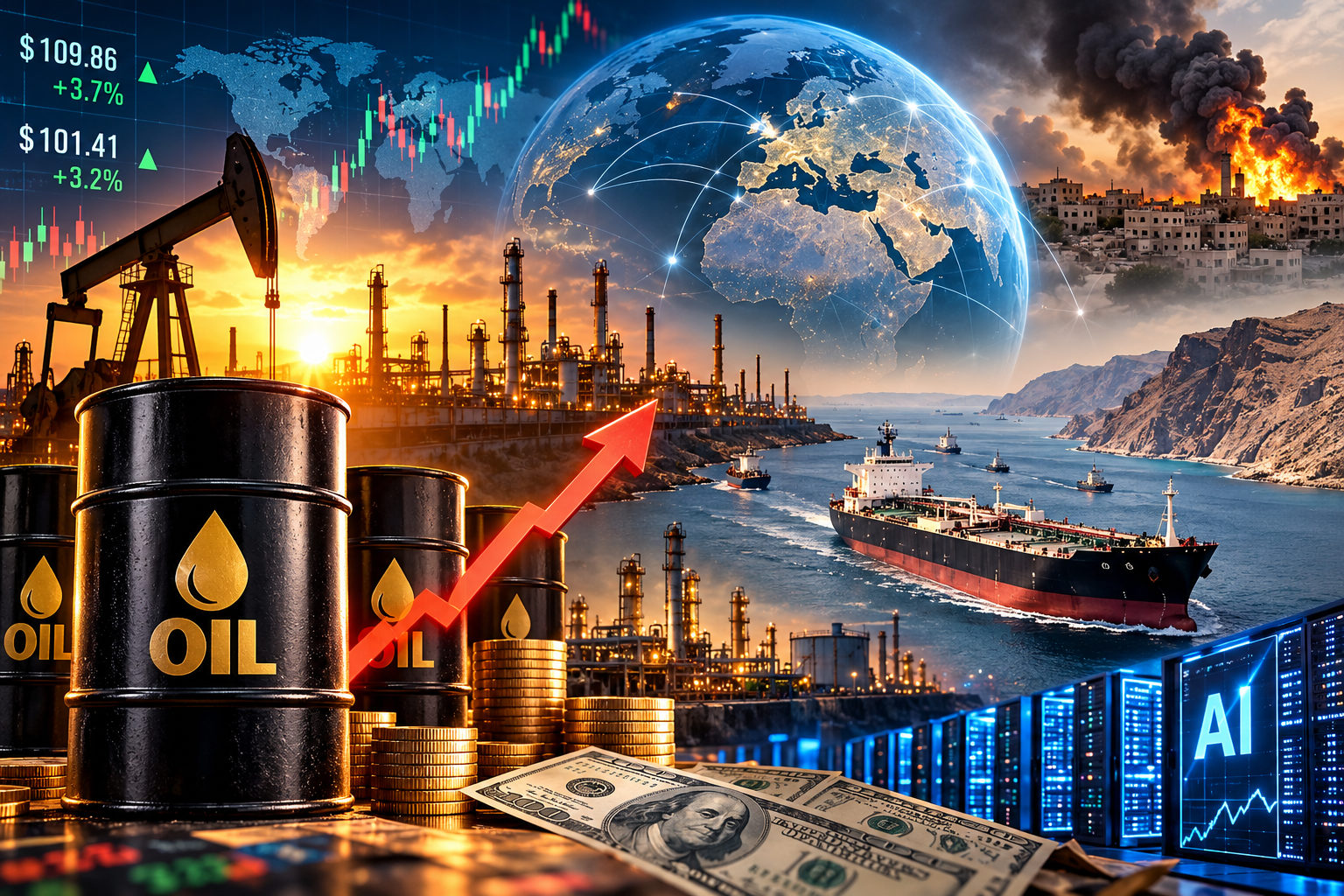
Business
Global Economy 2026: IMF Warns of War, Oil Prices and Debt Risks
3 min read
Business
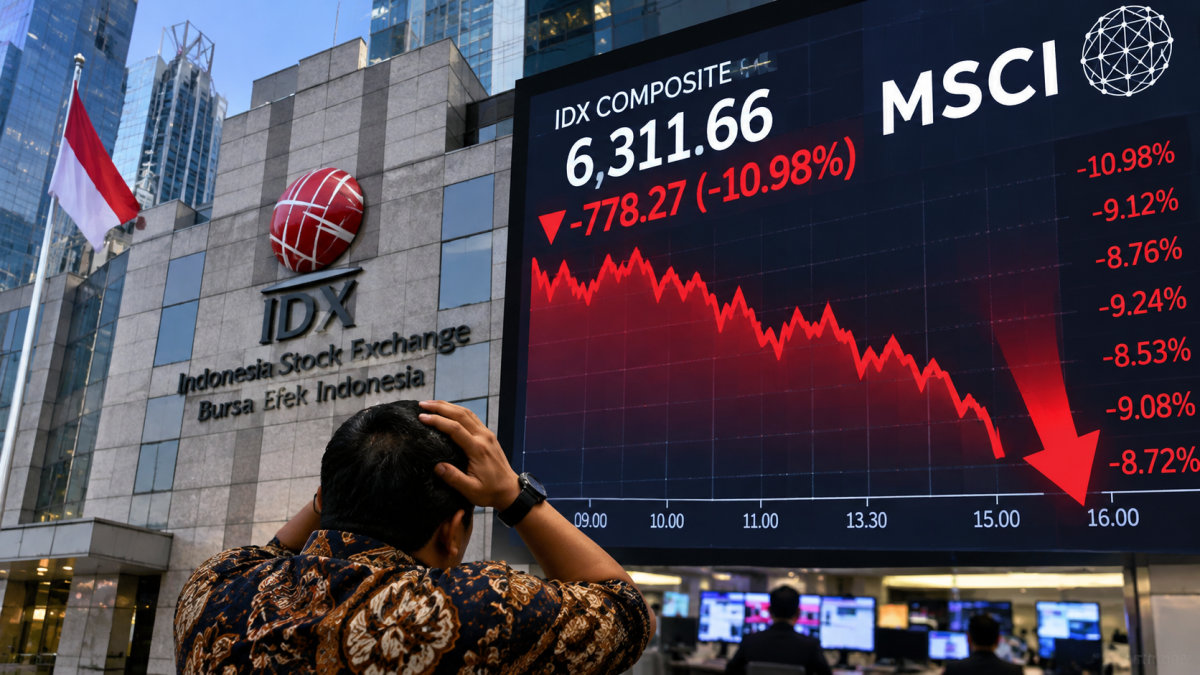
Indonesia Faces MSCI Downgrade Threat as Stocks Fall Sharply
2 min read
Business
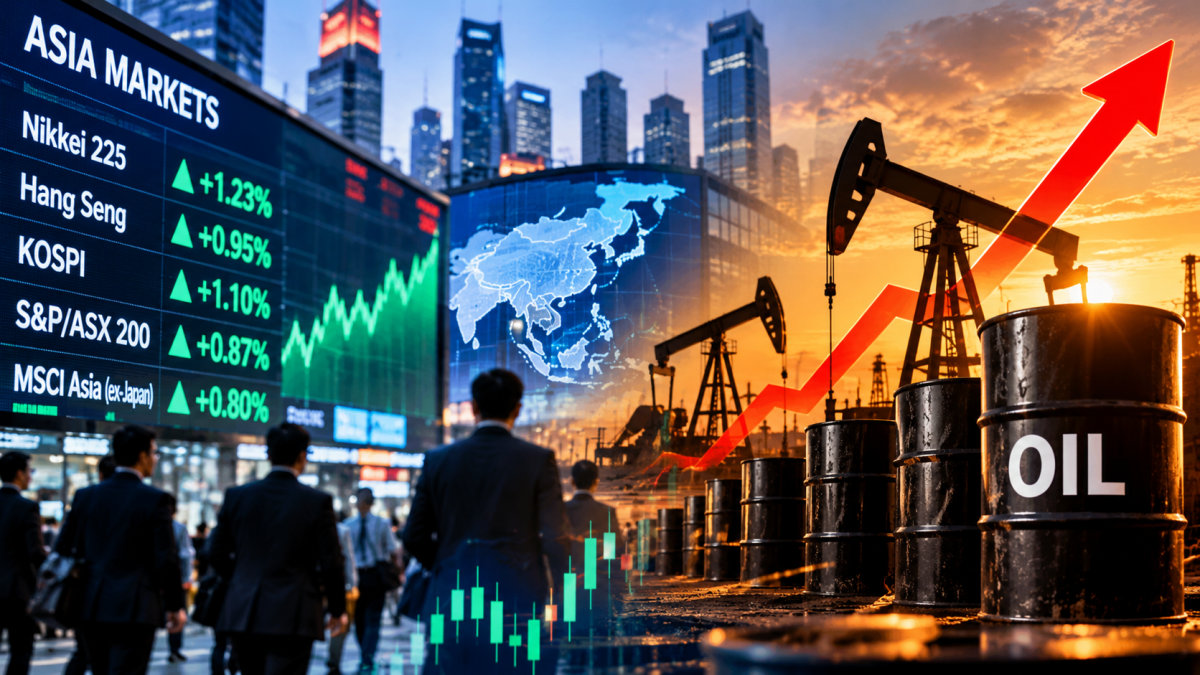
Asian Stocks Recover as Technology Shares Rebound and Oil Prices Rise
1 min read

Business
US Sanctions Two Mumbai Firms and Five Indians Over Iran Oil Trade
2 min read