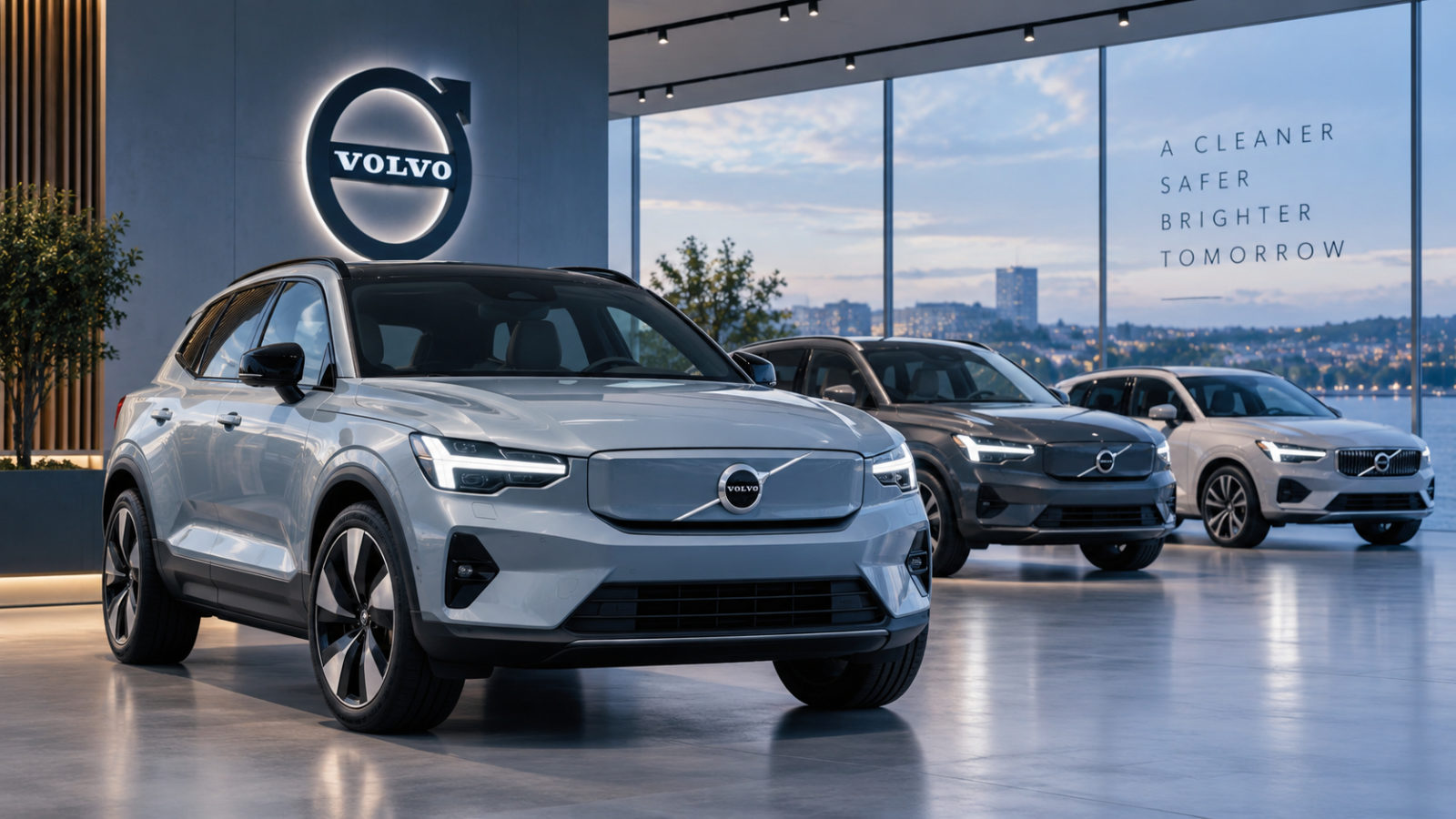
Swedish automaker Volvo Cars has announced plans to introduce 13 new vehicle models this decade as it seeks to expand its global presence and strengthen earnings.
The 13 models are divided between two distinct regional strategies. Six new models are planned for the Chinese market, reflecting the importance of China as one of the world's largest automotive markets and a key growth area for Volvo. The remaining seven models are intended for Western markets, where Volvo aims to strengthen its competitive position against both established manufacturers and newer entrants.
The model range will include electric and hybrid vehicles, positioning Volvo across different stages of the transition away from combustion engines. The inclusion of hybrid models alongside fully electric vehicles reflects the varying pace of electrification across different markets and the different preferences of customers in China and Western countries.
Alongside the model expansion, Volvo is targeting an operating profit margin above 8% by 2030. Achieving that target will require not only revenue growth from the new models but also a reduction in costs. To that end, Volvo aims to reduce material costs through closer cooperation with Geely Auto, its parent company. Deeper integration with Geely is expected to create efficiencies in procurement and component sharing across the two companies' model ranges.
The announcement comes as global automakers navigate a challenging environment on three fronts. Demand for electric vehicles has shifted in several major markets, creating uncertainty around the pace of the transition to battery power. Rising production costs have put pressure on margins across the industry. And international trade challenges — including tariffs and supply chain disruptions — have added complexity to the planning of global model launches.
Volvo's strategy of splitting its new models between China and Western markets is designed to address these pressures by adapting to regional customer preferences rather than applying a single global approach. The company's plans are intended to support long-term growth while maintaining the flexibility to respond to conditions that continue to change across its key markets.