US Sanctions Two Mumbai Firms and Five Indian Nationals Over Alleged Iran Oil Trade
Published: October 9, 2026
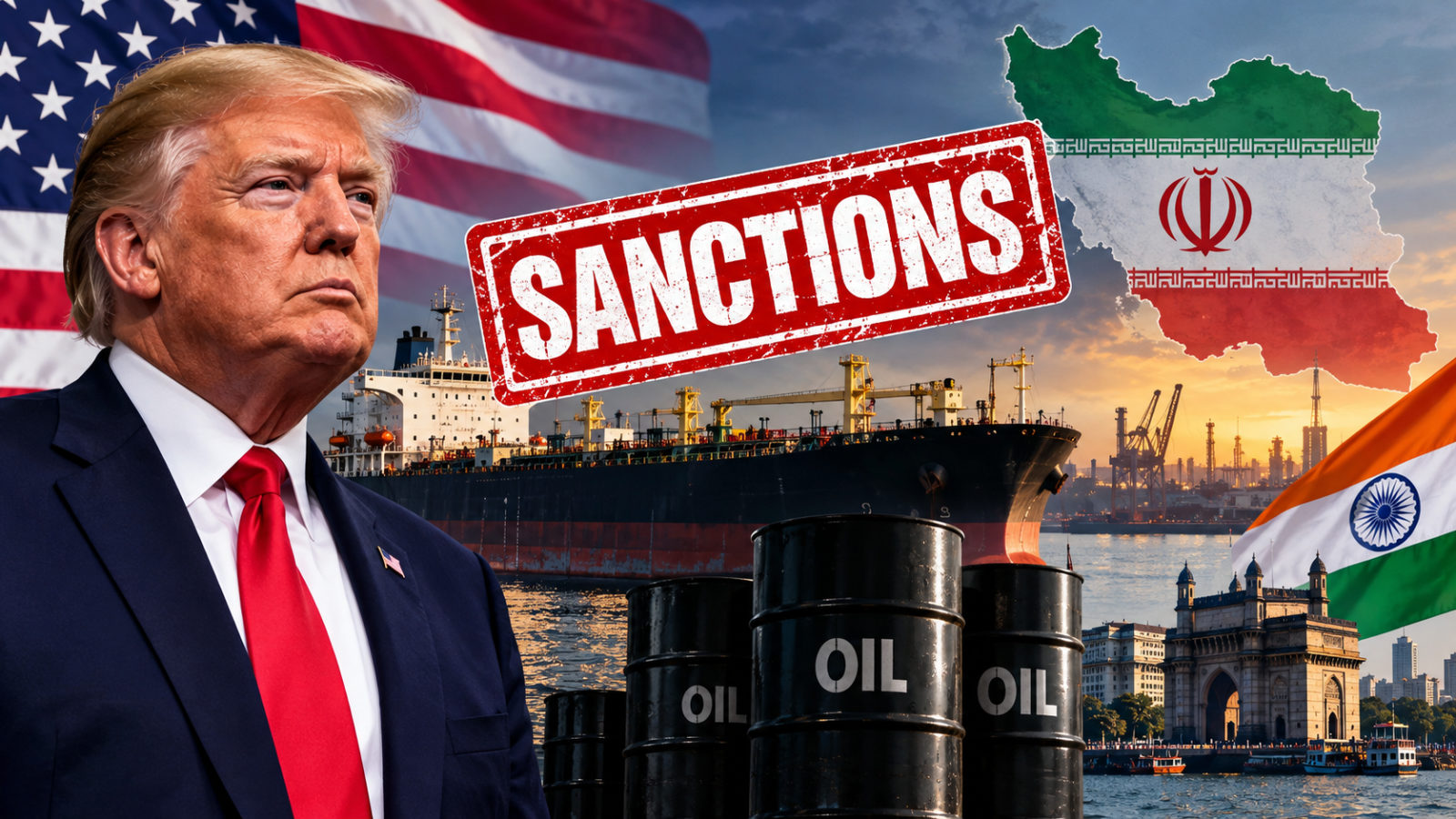
The United States has imposed sanctions on two Mumbai-based companies and five Indian nationals over their alleged involvement in trade involving Iranian petroleum and petrochemical products, escalating Washington’s economic pressure on Tehran.
The action, announced on October 8, targets SSPL Solutions Private Limited and Samudra Marine Services Private Limited, along with individuals associated with the companies. The measures form part of the US campaign known as Operation Economic Outcast, aimed at restricting Iran’s oil revenue and the networks used to transport and trade petroleum products.
According to the US government, the targeted entities were involved in facilitating transactions linked to Iranian-origin petroleum and petrochemical products. These are allegations underlying the sanctions, rather than independently established findings of criminal liability.
Which Indian Companies and Individuals Were Named?
The US sanctions announcement identified the following companies and individuals:
- SSPL Solutions Private Limited: Associated individuals Dhwani Nisarg Vora and Nisarg Samir Vora.
- Samudra Marine Services Private Limited: Associated individuals Ketan Manohar Kochikar, Bhupendrasingh Dhalsingh Sahu and Harishyam Hariharan Chundakattil.
The sanctions restrict transactions involving the designated parties under applicable US rules. The US government has also authorised a temporary wind-down period for certain transactions involving Samudra Marine Services through October 23, 2026.
US Expands Pressure on Iran’s Oil Shipping Network
In a separate action announced on October 8, the US Treasury Department targeted 17 vessels associated with Iran’s so-called shadow fleet, a network of tankers used to transport Iranian crude oil, petroleum products and petrochemicals.
Washington says the measures are intended to reduce revenue available to the Iranian government and disrupt networks that facilitate sanctions evasion.
The action increases pressure on shipping operators, companies and intermediaries involved in Iran-linked petroleum trade. Its wider impact will depend on enforcement, alternative shipping arrangements and how international buyers respond.
What Does This Mean for India?
The inclusion of Indian companies and nationals highlights the potential compliance risks for businesses involved in international petroleum trading, shipping, logistics and financial transactions connected to Iran.
Companies dealing with sanctioned parties may face restrictions under applicable US sanctions regulations, particularly where transactions involve US persons, the US financial system or other relevant legal connections. The precise consequences depend on the parties, transaction and applicable rules.
The development also adds uncertainty to an already sensitive regional energy environment. Any further disruption to oil exports or maritime routes could affect global energy markets, shipping costs and countries that rely heavily on imported petroleum, including India.
However, the sanctions announcement alone does not establish that Indian fuel supplies have been disrupted or that domestic petrol and diesel prices will immediately rise.
What Happens Next?
The immediate questions are how the affected companies respond, whether the sanctions alter Iran-linked trading arrangements, and whether Washington announces additional measures against shipping or financial networks.
For Indian businesses, the case underlines the importance of screening counterparties against applicable sanctions lists and obtaining appropriate legal advice before conducting transactions involving sanctioned entities.
Islam Global News will continue to follow official announcements and developments affecting India, Iran and international energy trade.